Food Safety & Special Diets
Schools participating in federal Child Nutrition Programs are required to:
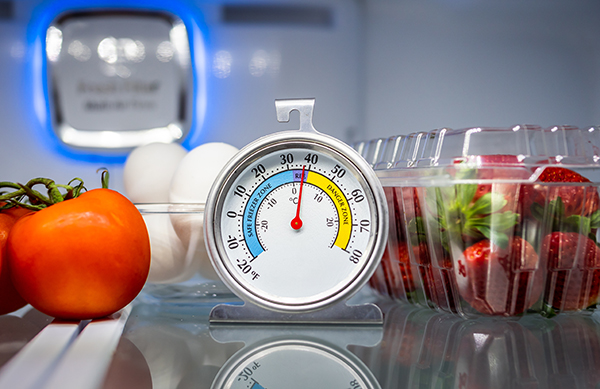
- Per 7 CFR 210.13(c), have a School Food Safety Program based on Hazard Analysis and Critical Control Points (HACCP) principles. And, per 7 CFR 210.15(b)(5), record & maintain temperature records
- Per 7 CFR 210.13(b), request and obtain a minimum of two food safety inspections during each school year and post in a publicly visible location a report of the most recent inspection conducted.
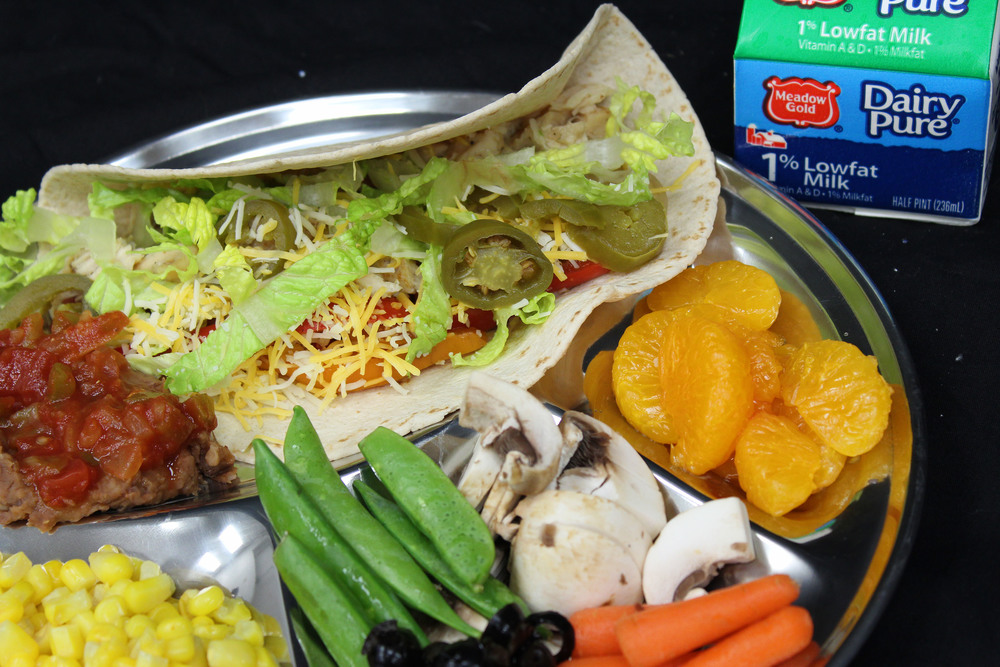
- Per 7 CFR 210.10, accommodate children with disabilities in the School Meal Programs (this may include food allergies, food intolerance's, texture sensitive, for examples).
- In order to receive Federal reimbursement for modified meals that do not meet the Program meal pattern requirements, SFAs must require a written medical statement signed by a State licensed healthcare professional (physician, nurse practitioner, physician's assistant, registered dietitian and mental health provider)or registered dietitian. Although it is not required by FNS, SFAs may choose to request a written medical statement from a State licensed healthcare professional in support of a request for a modification within the Program meal pattern.
Resources
- Form Request for Sanitation Inspection Schools must request two sanitation inspections per school year
- Find Your County Sanitarian
- Final Rule: Food Safety Inspections USDA
- Food Safety Inspections in Non-Traditional School Settings USDA
- Montana HACCP Plan Template
- HACCP Based Standard Operating Procedures (SOPs) from ICN

Food and Allergy Disability
- Medical Statement for Children with Disabilities Requiring Meal Accommodations in the USDA Child Nutrition Programs- SFAs must notify families of the process for requesting meal modifications
- 2017 USDA Memo: Accommodating Children with Disabilities
- Accommodating Children with Disabilities in the School Meal Program - Guide
- Accommodating Disabilities in the School Meal Program- Guidance and Q&As
Milk Requirements
- 2013 FDA Food Code
- Top Ten things to know about the new Montana Food Code
- Retail Food Protection: Employee Health and Personal Hygiene Handbook - FDA Resource
- USDA School Food Safety Program Guide
- Steps to Developing a Food Safety/HACCP Plan
- Montana HACCP Plan Template
- HACCP Based Standard Operating Procedures (SOPs) from ICN
- Breakfast in the Classroom SOP
- Fresh Fruit and Vegetable Program SOP
- Food Allergy SOP
- Employee Illness SOP
- Food Temperature Chart
- Institute of Child Nutrition (ICN) SNP Resources
- Food Safety in School Gardens
- Produce Safety University Resources
- Purchasing Local Food Guide
Federal Food Safety and Recall Information
Smart Snacks & School Wellness
All foods sold to students during the school day (midnight the day of school until 30 minutes after the final bell rings) must meet Smart Snack guidelines. Smart Snacks includes fundraisers, vending machines, school stores and a la carte items sold in addition to the school meal.
USDA Resources & Policy
- A Guide to Smart Snacks
- Final Rule: Nutrition Standards for All Foods Sold in School as Required by the HHFKA of 2010
- Best Practices for Healthy School Fundraisers
Alliance for a Healthier Generation Resources
- Smart Snacks Product Calculator - Use this tool to determine if a snack or beverage are Smart Snack compliant
- Alliance for Healthy Generation Smart Foods Planner
USDA's final rule regarding school wellness requires that local educational agencies (LEA) have a revised local school wellness policy in place by June 30, 2017. The school wellness policy should promote the health of the students and establishes a healthy school environment. This includes ensuring that foods sold to students during the school day meet the Smart Snacks in Schools standards.
USDA Local School Wellness Policy
Requirements
- Local School Wellness Policy Guidance and Q and A
- Local School Wellness Policy Summary of Requirements
Montana-made Resources
- School Wellness Policy Self Review Checklist
- SWP Triennial - Assessment Tool
- Montana School Wellness In Action: A 6-Step Guide to School Wellness Policy Implementation
- Montana School Wellness Policy Assessment Tool (District-Level)
- Montana School Boards Association Model School Wellness Policies
- Recess Before Lunch Scheduling Resources
- Creating a Smarter Lunchroom Resources
Additional Resources
In Montana, a number of students are impacted by challenges such as homelessness, poverty, adverse childhood experiences(ACE's), as well as other challenges that can lead to stress, sometimes even toxic stress, resulting in food insecurities. The ACE study did not look directly at food insecurity; however, since the study there have been several researchers that started looking at ACE's and food insecurities. What we know now is that there are correlations between people experiencing trauma and establishing food insecurities.
- The Relationship Between Childhood Adversity and Food Insecurity
- Traumatic Event Exposure Associated with Increased Food Insecurity and Eating Disorder Pathology
What we also know is that we have the ability to help a person heal from food insecurities by implementing a trauma-informed lens in our schools and cafeterias. Here are some resources that we hope you find of value:
- Healing from Food Insecurity: Beyond the Stash
- How Mealtimes Can Set the Stage for Better Learning, Behavior and Health in Children: Handouts for Schools