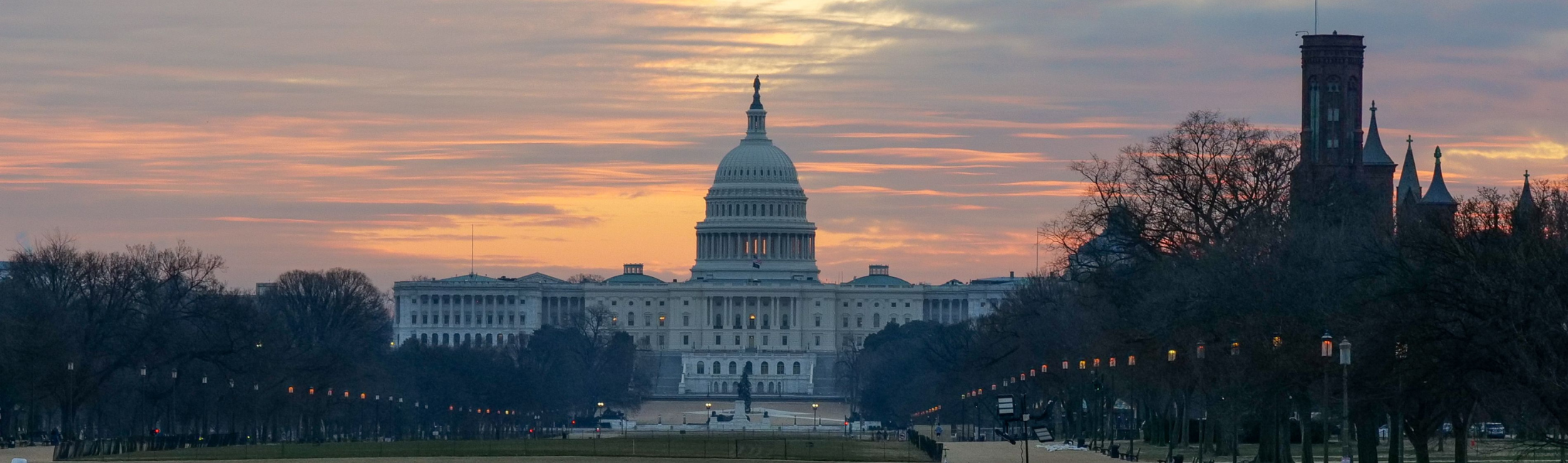
The Montana Office of Public Instruction (OPI) is committed to supporting schools in providing meaningful learning experiences that prepare students to become informed, engaged, and responsible citizens.
Upcoming Events
Commemorative Days
- Lincoln's Birthday (February 12)
- Washington's Birthday (February 22)
- Arbor Day (last Friday in April)
- Flag Day (June 14)
- Citizenship Day (September 17)
- Freedom Week (last full week of September)
- American Indian Heritage Day (fourth Friday in September)
- Indigenous Peoples’ Day and Columbus Day (October 12)
- Pioneer Day (November 1)
This guide was developed to help Montana public schools implement House Bill 591 and the commemorative observances identified in § 20-1-306, MCA, including Freedom Week. It provides educators with classroom ideas, trusted educational resources, and practical tools to promote civic education, historical understanding, and active citizenship.
OPI hopes this guide serves as a valuable resource for schools across Montana, helping students explore our nation's founding principles, Montana's history, and the shared values of liberty, democracy, and civic responsibility.
HB 591: Institute the Celebrate Freedom Week in Montana's public schools
Purpose of Freedom Week
School & District Responsibilities
- District trustees must adopt a written policy that ensures appropriate exercises are conducted on required commemorative days listed in §20-1-306, MCA (including Freedom Week).
- Schools should plan and deliver age-appropriate activities during Celebrate Freedom Week that teach students about the sacrifices made for freedom in the founding of the United States and the values on which the United States was founded.
The U.S. Department of Education recommended activities to consider:
- Host a guest speaker (legal expert, historian, public official) on a constitutional topic.
- Organize a panel with students, educators, and community members on a principle (e.g., separation of powers) or a current event.
- Conduct a public reading of the Constitution with students, staff, families, and community members.
- Run a mock Constitutional Convention with historical roles.
- Interactive workshops leveraging the National Constitution Center & National Archives (games, online exhibits; Bill of Rights focus).
- Local/State history connections (how Montana events tie to constitutional issues; include the Montana Constitution).
- These recommendations and resource links: U.S. Department of Education’s Constitution Day page.
- U.S. Department of Education — Constitution Day & Citizenship Day: central hub of vetted, public-domain teaching materials across all three branches.
- National Constitution Center —Resources & Classroom Library: K-12 curriculum, lesson plans, videos.
- National Archives — Teachers’ Resources & primary sources; Civics for All of US.
- Library of Congress — Constitution Day Teacher Resources & Research Guides, including the Constitution Annotated.
- U.S. Courts — Constitution Day & broader courtroom simulations.
- Montana Secretary of State — Civics & Youth Vote program; Constitution contest.
- Montana 250 Educational Resources – Curriculum, civics resources, Montana history, and classroom materials supporting the Semi quincentennial. Montana 250 Educational Resources
- Montana Legislature – Classroom Resources – Resources explaining Montana's legislative process and representative government. Montana Legislature Classroom Resources
- National Constitution Center – Interactive civics lessons, Constitution Day materials, and primary source resources.
- National Archives – America's Founding Documents – The Declaration of Independence, Constitution, Bill of Rights, and classroom activities.
- Library of Congress – Teaching with Primary Sources – Ready-to-use primary source lessons.
- Bill of Rights Institute – Standards-aligned civics lessons and constitutional resources.
- iCivics – Interactive games and lessons on government and citizenship.
- Montana Historical Society – Montana history, primary sources, and civics materials.
- Freedom 250 Teacher Toolkit – Classroom ideas, "Freedom Minute" concepts, student projects, and schoolwide celebration resources developed for America's 250th anniversary.
- Indian Education for All (IEFA) hub: “Essential Understandings Regarding Montana Indians,” classroom units (including Montana Constitution Article X & IEFA), and ideas for American Indian Heritage Day.
- Tip: If you want to extend Freedom Week into a full civics unit, IEFA has Social Studies lessons that map constitutional content to IEFA lessons by grade band.
Seal of Civics Literacy Program
The Montana Seal of Civics Literacy is a statewide recognition program developed through a joint effort between the Montana Office of Public Instruction (OPI) and the Montana 250th Commission. The Seal honors students who demonstrate strong knowledge of civics and active engagement in their communities, reflecting Montana’s commitment to meaningful civics education.
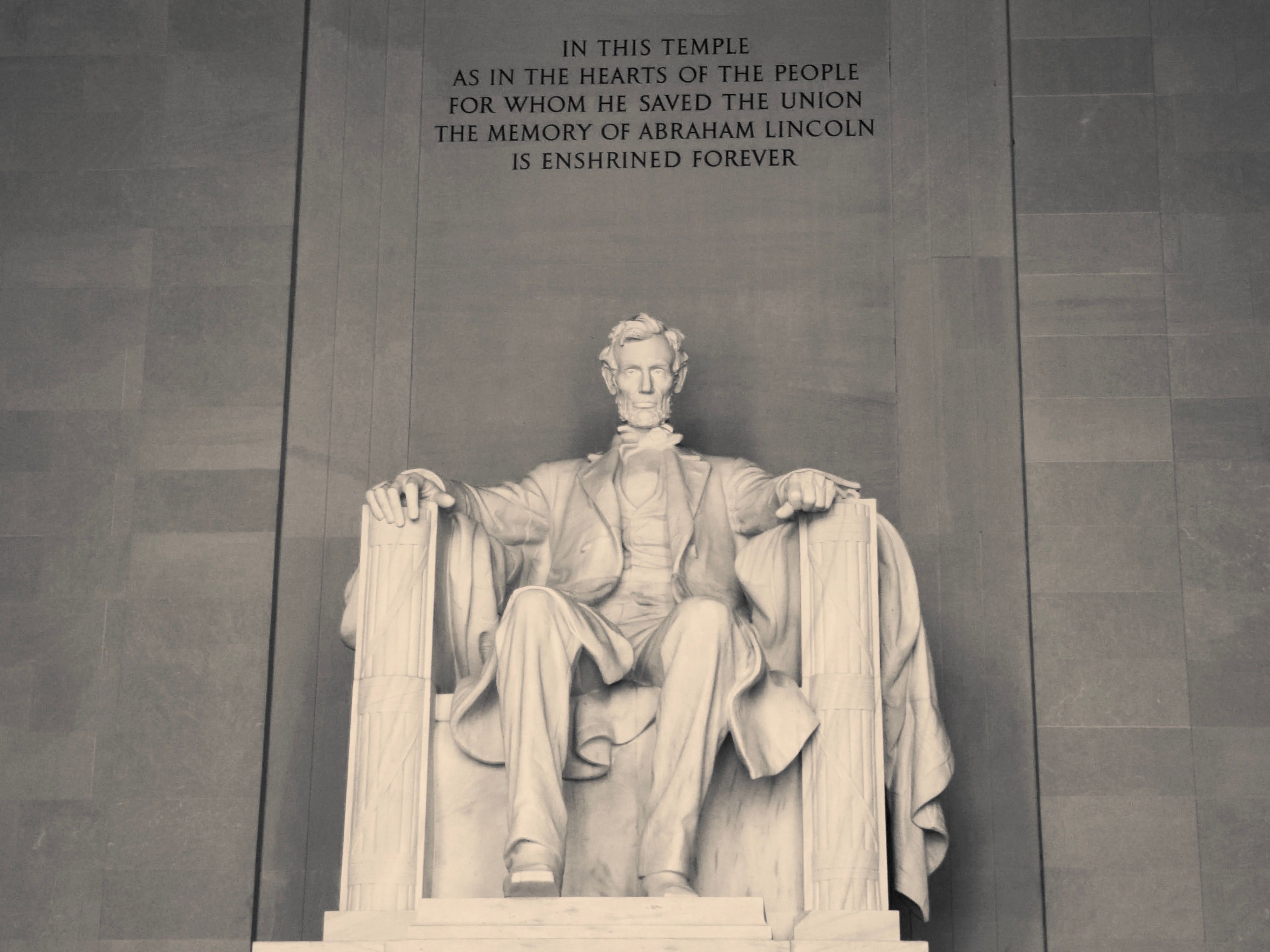
Celebrate Lincoln's Birthday (February 12)
- Library of Congress – Abraham Lincoln Papers & Classroom Resources
Explore thousands of digitized primary source documents, photographs, speeches, and classroom materials related to Abraham Lincoln and the Civil War.
- National Park Service – Abraham Lincoln National Historic Sites
Find virtual tours, educational activities, historical information, and resources about Lincoln's life and legacy.
- National Archives – DocsTeach
Search for document-based lessons featuring the Emancipation Proclamation, the Gettysburg Address, and other Lincoln-era primary sources that encourage historical inquiry.
- Smithsonian Learning Lab
Access free collections, videos, and classroom activities focused on Abraham Lincoln, the Civil War, and American history.
- National Constitution Center – Lincoln and the Constitution
Offers lesson plans, historical essays, and educational videos that explore Lincoln's leadership and constitutional legacy.
- PBS LearningMedia
Free videos, interactive lessons, and teaching resources on Abraham Lincoln for elementary through high school students.
- National Endowment for the Humanities – EDSITEment
Standards-aligned lesson plans, primary source activities, and humanities resources covering Lincoln, the Civil War, and American democracy.
- Reading and discussing the Gettysburg Address or selected speeches.
- Hosting a classroom "Living History" presentation where students portray Abraham Lincoln or other historical figures.
- Creating timeline projects about Lincoln's life and presidency.
- Discussing leadership, citizenship, and the importance of equality and unity in American history.
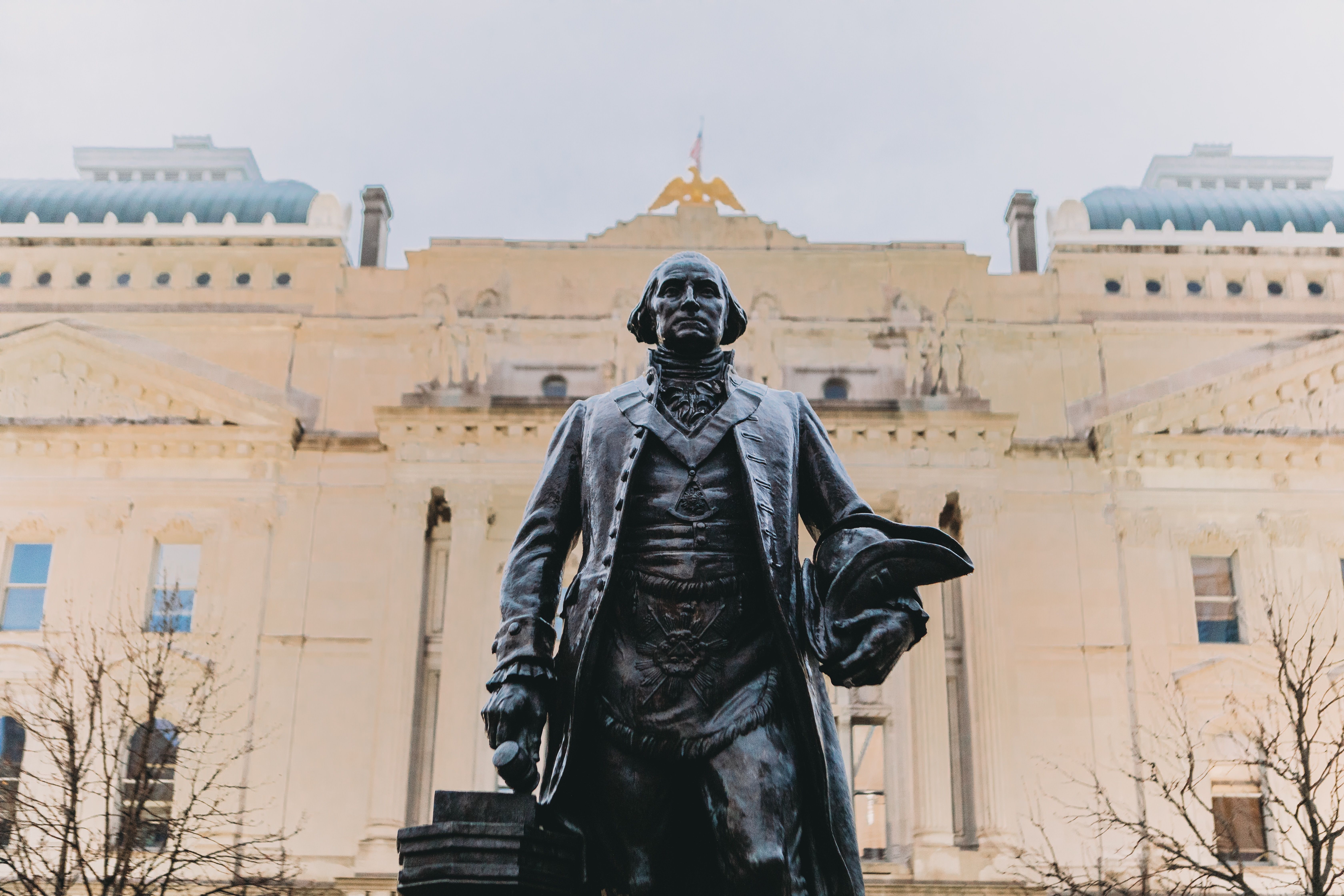
Celebrate Washington's Birthday (February 22)
- Library of Congress – George Washington Resources
Explore primary source documents, maps, letters, photographs, and ready-to-use classroom materials about George Washington.
- Mount Vernon – Teacher Resources
George Washington's estate offers free lesson plans, virtual tours, primary sources, videos, and interactive activities for K–12 classrooms.
- National Park Service – George Washington
Educational materials, historical information, and virtual experiences highlighting Washington's life and legacy.
- National Archives – DocsTeach
Search for document-based learning activities featuring George Washington, the American Revolution, and the founding of the United States.
- Smithsonian Learning Lab
Free digital collections, videos, and classroom activities related to George Washington and early American history.
- Reading excerpts from George Washington's Farewell Address and discussing its relevance today.
- Exploring primary source letters and historical documents.
- Creating timelines of Washington's life and the founding of the United States.
- Holding a "Founding Fathers" classroom presentation or living history activity.
- Discussing leadership, civic responsibility, and the importance of public service.
- Completing map activities highlighting key locations from the Revolutionary War and Washington's presidency.
Celebrate Arbor Day (last Friday in April)
- Arbor Day Foundation – Educator Resources
Free lesson plans, activities, tree identification guides, posters, and educational materials for students of all ages.
- Montana Department of Natural Resources and Conservation (DNRC) – Forestry Division
Learn about Montana's forests, tree care, wildfire prevention, and forestry education resources specific to Montana.
- Project Learning Tree
Standards-aligned environmental education lessons, outdoor activities, and professional development opportunities for educators.
- USDA Forest Service – Conservation Education
Classroom resources, videos, activities, and information about forests, wildlife, and natural resource conservation.
- Planting a tree on campus or in the community.
- Organizing a school or neighborhood cleanup event.
- Learning to identify native Montana trees and their ecological importance.
- Creating tree journals, leaf rubbings, or nature-inspired artwork.
- Measuring and observing trees as part of science or math lessons.
- Inviting a local forester, arborist, or conservation professional to speak with students.
- Starting a school garden or pollinator habitat project.
- Encouraging students to take home and plant a tree or shrub with their families.
Celebrate Flag Day (June 14)
- U.S. Department of Veterans Affairs – Flag Day Resources
Information about the history of the U.S. flag, Flag Day, proper flag etiquette, and educational materials.
- The American Legion – Flag Education
Resources on flag history, flag etiquette, classroom activities, and patriotic education.
- National Flag Foundation
Educational materials about the history, meaning, and proper display of the American flag.
- National Museum of American History (Smithsonian)
Explore exhibits and resources about the Star-Spangled Banner, the history of the American flag, and national symbols.
- Holding a school flag-raising ceremony or reciting the Pledge of Allegiance together.
- Teaching students about the history and symbolism of the American flag.
- Learning and practicing proper flag etiquette, including respectful display and folding of the flag.
- Reading the history behind the Star-Spangled Banner and discussing its significance.
- Creating patriotic art projects inspired by the American flag.
- Inviting local veterans or members of civic organizations to share the importance of the flag and military service.
- Exploring primary source documents and historical photographs related to the flag's history.
Celebrate Constitution Day & Citizenship Day (September 17)
Observed annually on September 17, Constitution Day and Citizenship Day commemorate the signing of the United States Constitution in 1787 and celebrate the rights and responsibilities of American citizenship. This observance provides schools with an excellent opportunity to engage students in learning about the Constitution, the foundations of American government, and the importance of active civic participation.
Schools can celebrate by exploring the Constitution and Bill of Rights through primary source documents, participating in classroom discussions or mock government activities, and highlighting the rights and responsibilities that come with citizenship. Through meaningful civic learning experiences, students gain a deeper appreciation for the principles of democracy, the rule of law, and the role each citizen plays in strengthening their communities and the nation.
- National Constitution Center
Free lesson plans, videos, interactive activities, primary sources, and live educational programs centered on the U.S. Constitution and civic education.
- National Archives – Constitution Resources
View the original Constitution, explore America's founding documents, and access classroom activities and educational materials.
- Library of Congress – Constitution Classroom Materials
Primary sources, historical documents, lesson plans, and teacher resources covering the Constitution, Bill of Rights, and early American history.
- U.S. Courts – Educational Resources
Classroom activities and lessons about the Constitution, federal courts, landmark cases, and civic responsibility.
- iCivics
Free standards-aligned games, lesson plans, webquests, and interactive activities that teach students about government, constitutional principles, and citizenship.
- Center for Civic Education
Curriculum resources, lesson plans, and professional development focused on constitutional democracy and civic education.
- Civics Renewal Network
A searchable collection of high-quality civics resources from leading educational organizations, organized by grade level and topic.
- Bill of Rights Institute
Free lessons, primary sources, videos, and student activities exploring the Constitution, Bill of Rights, and the principles of liberty and self-government.
- Reading and discussing the Preamble to the Constitution and the Bill of Rights.
- Holding a mock election, courtroom simulation, or congressional debate.
- Creating a classroom constitution that outlines shared expectations and responsibilities.
- Inviting local judges, attorneys, elected officials, veterans, or civic leaders to speak with students.
- Exploring primary source documents from the Constitutional Convention.
- Participating in service-learning projects that demonstrate responsible citizenship.
- Hosting a constitution trivia contest or civic engagement fair.
- Encouraging students to reflect on the rights and responsibilities of citizenship and how they can make a positive difference in their communities.
Celebrate Freedom Week (Last week in September)
Freedom Week provides schools with an opportunity to deepen students' understanding of the founding principles of the United States and the documents that have shaped our nation's history. Through the study of the Declaration of Independence, the United States Constitution, the Bill of Rights, and other foundational texts, students can explore the ideals of liberty, self-government, individual rights, and civic responsibility.
During Freedom Week, schools are encouraged to engage students in meaningful discussions about the principles of freedom, democracy, and the rule of law through primary source analysis, civic learning, and historical inquiry. By examining these foundational documents and their lasting influence, students develop the knowledge and skills needed to become informed, engaged, and responsible citizens.
- National Constitution Center
Free lesson plans, interactive activities, videos, and live learning experiences focused on the Constitution, Bill of Rights, Declaration of Independence, and civic education.
- Library of Congress – Primary Source Sets & Classroom Materials
Primary source documents, historical photographs, maps, letters, and teacher resources covering America's founding and civic history.
- National Archives – America's Founding Documents
Access the Declaration of Independence, Constitution, Bill of Rights, and related educational resources and classroom activities.
- Bill of Rights Institute
Free standards-aligned lessons, primary sources, videos, and student activities focused on constitutional principles, civic virtues, and American history.
- iCivics
Interactive games, lesson plans, web quests, and classroom resources that teach students about government, citizenship, and civic engagement.
- Center for Civic Education
Curriculum materials, lesson plans, and professional learning focused on constitutional democracy and responsible citizenship.
- U.S. Courts – Educational Resources
Classroom resources explaining the judicial branch, landmark Supreme Court cases, and the role of the Constitution in American government.
- National Park Service – Teaching with Historic Places
Inquiry-based lessons connecting students to significant historical sites and events that shaped the nation's founding and democratic traditions.
Schools can celebrate Freedom Week by:
- Reading and discussing the Declaration of Independence, United States Constitution, Bill of Rights, and other founding documents.
- Analyzing primary sources to understand the historical context and enduring principles of American democracy.
- Hosting classroom debates or Socratic seminars on constitutional issues and civic responsibilities.
- Holding mock congressional hearings, legislative sessions, or Supreme Court cases.
- Inviting local judges, attorneys, elected officials, veterans, or civic leaders to speak about the importance of civic engagement.
- Encouraging students to reflect on the rights and responsibilities of citizenship through writing, art, or service-learning projects.
- Connecting lessons to Montana's history and the role citizens play in strengthening their local communities and state.
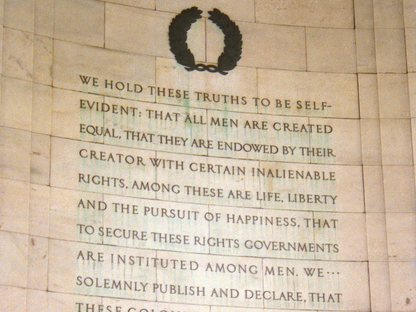
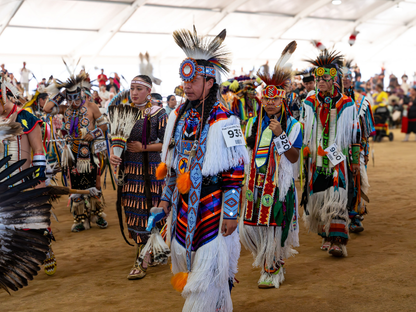
Celebrate American Indian Heritage Day (fourth Friday in September)
American Indian Heritage Day is an opportunity for schools to honor the rich histories, cultures, traditions, and enduring contributions of American Indian and Alaska Native peoples. Observed on the day after Thanksgiving, this day encourages students to learn about the diverse Tribal Nations that have shaped our nation's history and continue to enrich our communities today.
In Montana, American Indian Heritage Day provides an excellent opportunity to incorporate Indian Education for All (IEFA) by exploring the histories, cultures, languages, and contemporary experiences of the state's Tribal Nations. Schools can celebrate through culturally responsive lessons, guest speakers, literature, art, music, and community partnerships that promote respect, understanding, and meaningful learning. By recognizing American Indian Heritage Day, students gain a deeper appreciation for the diversity, resilience, and lasting contributions of Indigenous peoples while fostering mutual respect and cultural awareness.
- Montana Office of Public Instruction – Indian Education for All (IEFA)
Montana's official IEFA resources, including lesson plans, instructional materials, essential understandings, professional learning, and resources aligned with Montana content standards.
- Montana Office of Public Instruction – Tribal Histories and Resources
Curriculum materials and historical resources about Montana's Tribal Nations.
- National Museum of the American Indian (Smithsonian)
Free classroom lessons, virtual exhibits, primary sources, videos, and educational materials developed in partnership with Native communities.
- Library of Congress – Native American Resources
Primary source collections, lesson plans, photographs, maps, and historical documents related to Indigenous peoples throughout the United States.
- National Endowment for the Humanities – EDSITEment
Standards-aligned lesson plans and humanities resources exploring Native American history, cultures, literature, and contributions.
- PBS Learning Media – Native American Heritage Collection
Videos, lesson plans, and classroom activities highlighting Indigenous history, culture, languages, and contemporary issues.
- Native Knowledge 360° (National Museum of the American Indian)
Inquiry-based lessons, teacher guides, and instructional resources designed to improve teaching and learning about Native peoples across all grade levels.
- Learning about the history, cultures, and contemporary contributions of Montana's Tribal Nations through Indian Education for All (IEFA) resources.
- Reading books by Indigenous authors and discussing Native perspectives and experiences.
- Inviting Tribal Elders, cultural leaders, artists, historians, or community members to share their knowledge and experiences.
- Exploring Indigenous art, music, storytelling, languages, and traditional ecological knowledge.
- Visiting local museums, cultural centers, or Tribal historic sites when possible.
- Examining primary sources and discussing the diversity of Tribal Nations across the United States.
- Encouraging students to reflect on the importance of respecting Indigenous cultures, histories, and ongoing contributions to society.
- I Follow Rules (Kindergarten): Establish positive classroom expectations early
- Songs from the Indian Reading Series to explore cooperation, respect, and fairness.
- Crossing Boundaries Through Art: Seals of Montana Tribal Nations (Grades 3–5) Students investigate identity, tribal government, and sovereignty by analyzing the official seals of Montana's tribal nations through creative art projects.
- FUN-ology! Seasons Make the World Go Round: A 3-part Earth & Space Science series where students analyze local weather, connect environmental shifts to Indigenous seasonal rounds, and observe seasonal patterns.
- Is There a Home on the Range for Bison?: A deep dive into life science, land management, and grassland ecology through the lens of bison restoration.
- What Is Food Sovereignty? Introduces middle schoolers to sustainable food systems, native foodways, traditional agriculture, and community self-determination.
- Human Impacts on the Environment – Fire on the Land – Grades 6–8 : Explores traditional ecological knowledge, Indigenous fire management, and ecology (pairs with the DVD available in your school library).
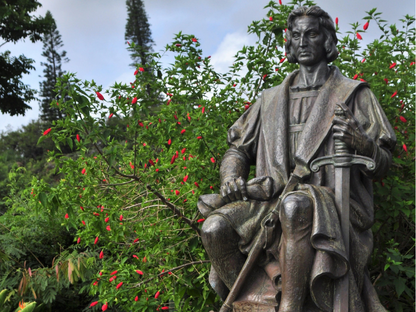
Celebrate Indigenous Peoples’ Day and Columbus Day (October 12)
Through the use of primary sources, historical inquiry, and respectful classroom discussions, educators can help students examine multiple perspectives, think critically about historical events, and better understand their significance and lasting influence on history.
- Library of Congress – Christopher Columbus Resources
Primary sources, maps, letters, photographs, and educator resources related to Columbus, the Age of Exploration, and early American history. - Montana Office of Public Instruction – Indian Education for All (IEFA)
Montana's official IEFA resources, including lesson plans, instructional materials, essential understandings, professional learning, and resources aligned with Montana content standards.
- National Archives – DocsTeach
Inquiry-based activities using primary source documents to examine exploration, colonization, and historical perspectives.
- Smithsonian Learning Lab
Digital collections, videos, and classroom activities exploring exploration, geography, and early encounters between cultures.
- National Geographic Education
Lessons, maps, articles, and multimedia resources about the Age of Exploration, navigation, and global connections.
- PBS LearningMedia
Standards-aligned videos and lesson plans examining exploration, Indigenous cultures, and the historical impacts of European contact.
- Exploring the Age of Exploration and its impact on world history.
- Analyzing primary source maps, journals, and historical documents.
- Comparing different historical perspectives on Columbus's voyages and their consequences.
- Discussing how historical events can be interpreted through multiple viewpoints.
- Creating timelines of major exploration events and their global impacts.
Celebrate Pioneer Day (November 1)
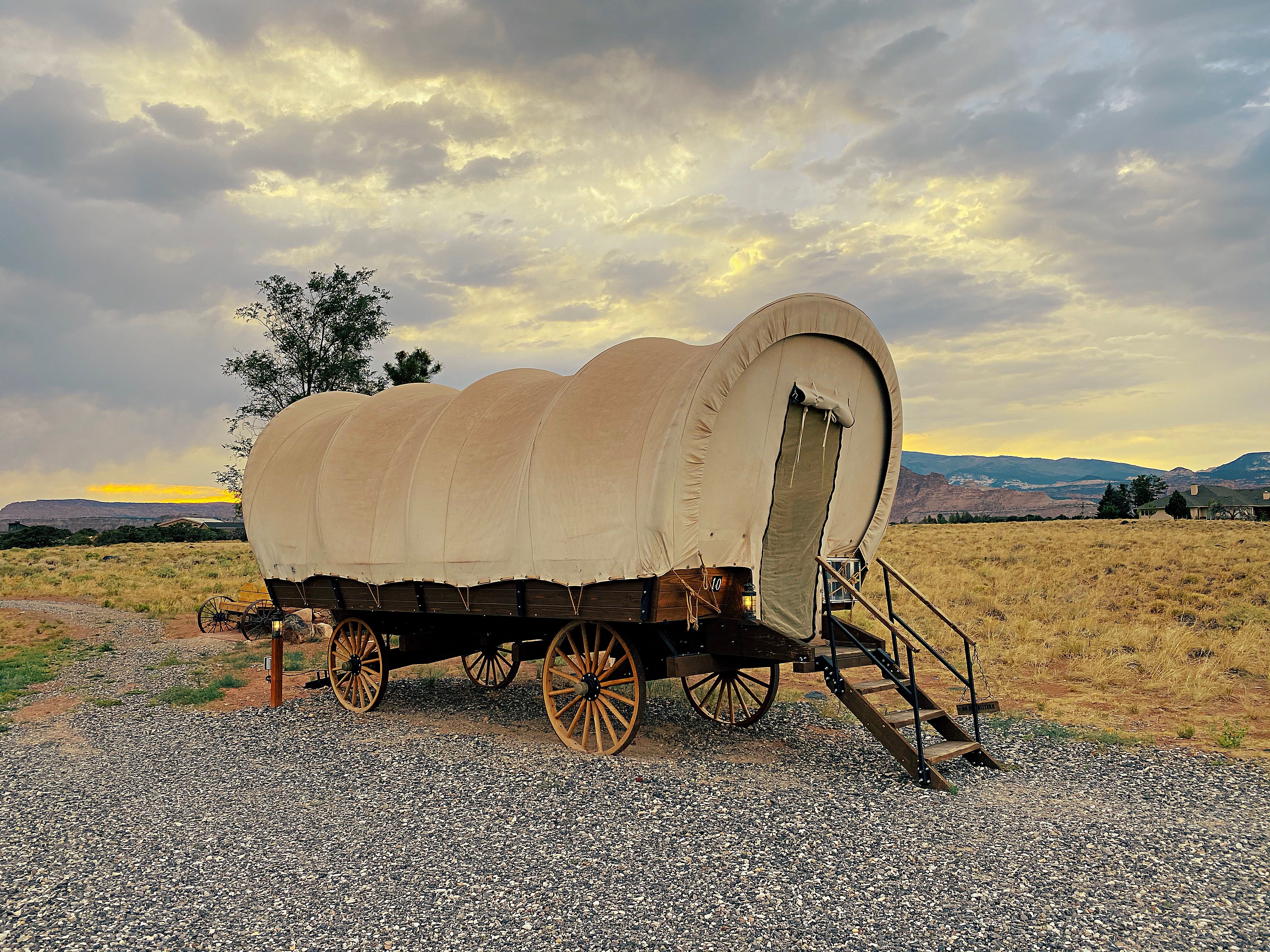
Pioneer Day provides an opportunity for schools to explore the history of the settlers who helped shape Montana and the American West. Students can learn about the challenges, innovations, and daily lives of pioneers while examining the economic, cultural, and geographic factors that influenced westward expansion.
As students study this period in history, they should also explore the perspectives and experiences of American Indian tribes whose homelands were profoundly impacted by westward migration. By examining multiple perspectives through primary sources and historical inquiry, schools can foster a deeper understanding of Montana's history and the diverse people who have contributed to its story.
- Montana Historical Society – Educator Resources
Lesson plans, primary sources, photographs, maps, and Montana history resources for K–12 classrooms.
- Montana Office of Public Instruction – Indian Education for All (IEFA)
Resources that help students examine Montana's history through the perspectives of the state's Tribal Nations and support culturally responsive instruction.
- Library of Congress – Classroom Materials
Primary sources, maps, photographs, journals, and teaching resources related to westward expansion, pioneers, and American history.
- National Park Service – Teaching with Historic Places
Inquiry-based lessons connecting students to historic sites, westward expansion, and the settlement of the American West.
- Smithsonian Learning Lab
Digital collections, primary sources, and classroom activities focused on pioneers, westward expansion, and life on the frontier.
- Exploring Montana's pioneer history through primary sources, photographs, diaries, and maps.
- Comparing daily life in pioneer communities with life in Montana today.
- Creating timelines of important events in Montana's territorial and state history.
- Participating in hands-on activities such as butter churning demonstrations, simple pioneer crafts, quilting patterns, or one-room schoolhouse lessons.
Celebrate Montana's 250th Commission
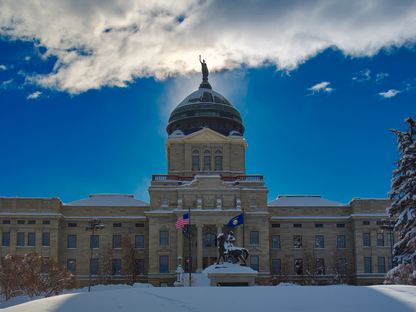
Established through House Bill 377, the Montana 250th Commission was created to coordinate statewide efforts commemorating the 250th anniversary of the signing of the Declaration of Independence. As Montana joins the nation in recognizing America's Semi quincentennial, schools have a unique opportunity to engage students in learning about the nation's founding, Montana's history, civic responsibility, and the diverse people and cultures that have shaped our state and country.
The Commission encourages schools to promote civic engagement by exploring the principles of democracy, the Declaration of Independence, the Constitution, and the evolution of American government. Students are also encouraged to learn about Montana's rich history, including the histories and contributions of Tribal Nations through Indian Education for All (IEFA). Through primary source analysis, historical inquiry, service-learning, and community partnerships, schools can help students better understand the past while inspiring informed and engaged citizenship for the future.
- Montana 250 Commission
Learn about Montana's Semi quincentennial initiatives, statewide events, educational opportunities, and ways schools can participate.
- Montana Office of Public Instruction – Indian Education for All (IEFA)
Curriculum resources, lesson plans, and instructional materials that help students understand the histories, cultures, and governments of Montana's Tribal Nations.
- Montana Historical Society – Education Resources
Montana history lesson plans, primary sources, photographs, maps, and classroom activities aligned with state standards.
- National Archives – America's Founding Documents
Access the Declaration of Independence, Constitution, Bill of Rights, and accompanying educational resources.
- Library of Congress – Classroom Materials
Primary source sets, historical documents, photographs, maps, and teaching resources about the founding of the United States and American history.
- National Constitution Center – Education
Interactive lessons, videos, and classroom activities focused on constitutional principles and civic education.
- iCivics
Free, standards-aligned games, lesson plans, and activities that teach students about government, civic participation, and democracy.
- Bill of Rights Institute
Primary sources, lesson plans, videos, and classroom resources exploring America's founding principles and civic virtues.
Schools can celebrate Montana's 250th Commission by:
- Exploring the Declaration of Independence, Constitution, and other founding documents through primary source analysis.
- Studying Montana's history alongside the history and sovereignty of Montana's Tribal Nations using IEFA resources.
- Hosting student-led civic engagement projects or community service activities.
- Creating timelines highlighting important events in United States and Montana history.
- Inviting local historians, Tribal leaders, veterans, elected officials, or civic leaders to share their perspectives.
- Organizing essay, art, photography, or history contests centered on "What America and Montana Mean to Me."
- Visiting local museums, historical sites, or state parks to connect classroom learning with Montana's heritage.
- Encouraging students to reflect on how they can contribute to their communities as informed and engaged citizens.