
We provide schools and staff with knowledge, skills, and content to ensure Indian Education for All means cultural enrichment, academic engagement, and equitable pedagogy for students.
Indian Education for All Highlights
IEFA Webinar Tuesday October 27th at 4:00 p.m. Resources for Native American Heritage Month.
Save the Date: 20th IEFA Best Practices Conference – March 4th – 6th – Holiday Inn Great Falls Convention Center. Best Practices Call for Proposals
Search Indian Education Resources
Classroom Resources
OPI curriculum resources for Indian Education for All have been developed with the advice and assistance of cultural consultants from Montana Tribal Nations. In addition, members of the Montana Advisory Council on Indian Education have provided input on and review of tribal-specific materials about the Tribal Nations they represent.
All Resources
General Resources for Remote Learning
Everyday Native : Invites teachers and students in grades 4–12 to learn about Native American history and contemporary life.
Illuminative : Remote learning resources created in partnership with the National Indian Education Association.
Integrating IEFA into NGSS : This online lesson developed by Teresa Veltkamp Advocacy Award winner Bill Stockton helps you think of ways to integrate Indian Education for All into Next Generation Science Standards. It is appropriate for grades K–12.
Learning at Home Resources : National Indian Education Association.
Lessons of Our Land : Innovative curriculum for pre-K through grade 12 teachers.
Native Knowledge 360 : Teaching resources from the Smithsonian Museum of the American Indian.
Native Plant Society of Saskatchewan: Educational Resources
Nisitapiisinni Stories and Spaces : Exploring Kainai plants and culture.
OPI IEFA YouTube Channel : Host site for videos created by the OPI IEFA Unit.
OPI Remote Learning – Lessons and Units
American Indians in the Military – A Warrior Spirit
- In this lesson, students learn about American Indians’ unique contributions to the U.S. military. It is appropriate for grades 7–12.
Ancient Art – Bear Gulch and Atherton Canyon
- In this lesson, students learn about these sites that make up one of the largest concentrations of pictograph and petroglyph images in North America. It is appropriate for grades 6–12.
Ancient Islands in the Sky – Archaeology in the Beartooth Ice
- This lesson helps students learn about how long Native Americans have been in Montana. It is appropriate for grades 7–12.
Blackfeet and Crow Star Stories
- This lesson helps students learn more about Blackfeet and Crow star stories. This lesson is appropriate for grades 5–8.
Contemporary Indigenous Artists of Montana
- This lesson introduces students to several Native American artists (various media) of Montana. It is appropriate for grades 7–12.
- This lesson provides information about the Crow Nation and its relationship to the Crazy Mountains. It is appropriate for grades 7–12.
- This lesson helps students learn more about Chief Plenty Coups. This lesson is appropriate for grades 6–12.
Essential Understanding One: Tribal Diversity
- This lesson helps students learn more about Essential Understanding One: Tribal Diversity. This lesson is appropriate for grades 5–12.
Learning About the Seals of Montana Tribal Nations
- This lesson helps students learn about the meaning of the seals of each Montana tribal nation. This lesson is appropriate for grades 4–12.
Learning About Tribal Sovereignty
- This lesson helps students learn more about tribal sovereignty. This lesson is appropriate for grades 9–12.
Preserving the Sacredness of the Badger–Two Medicine
- This lesson provides information for students to understand more about the ceremonial and legal history of the Badger–Two Medicine region and the Blackfeet Nation. It is appropriate for grades 8–12.
Resilience in Indian Country: Yesterday and Today
- This lesson helps students learn about resiliency through stories of American Indian women from yesterday and today. This lesson is appropriate for grades 6–12.
Resources for Learning About Contemporary American Indian Issues: Bison Restoration
- This lesson helps students learn more about bison restoration and the importance of the bison to Montana American Indians. This lesson is appropriate for grades 6–12.
Sacrifice Cliff and a Deadly Pandemic
- This lesson helps students learn about a deadly pandemic in Montana during the 1800s. It is appropriate for grades 7–12.
- This lesson provides students with resources to learn about Red Fox James and his contribution to American Indian and Alaska Native Heritage Month. It is appropriate for grades 7–12.
Art
(PreK–2) The Art of Storytelling: Plains Indian Perspectives
(Grades 4–5) A Beautiful Tradition: Ingenuity and Adaptation in a Century of Plateau Women’s Art
(Middle School) A Beautiful Tradition: Ingenuity and Adaptation in a Century of Plateau Women’s Art
(High School) A Beautiful Tradition: Ingenuity and Adaptation in a Century of Plateau Women’s Art
(Grades 6–12) Contemporary Indigenous Artists of Montana
(Grades 9–12) Ancient Art – Bear Gulch and Atherton Canyon
Health Enhancement / Family Consumer Science
(PreK–10) Traditional Games Unit developed by the International Traditional Games Society (Available Soon)
(Grades 9–12) Tobacco, Teach About Uses – Both Traditional and Commercial
Health Enhancement / Family Consumer Science
(PreK–10) Traditional Games Unit developed by the International Traditional Games Society
(Grades 9–12) Tobacco, Teach About Uses – Both Traditional and Commercial
Mathematics
(PreK–2) Counting 1:1 Correspondence – Kindergarten
(Grades 3–5) Making a Star Quilt – Grade 4
(Grades 6–8) Geometric Transformations Through Montana American Indian Tribal Seals – Grade 8
(Grades 9–12) Pow Wow Circuits – Grades 9–12
Science
(Grades 3–5) FUN-ology! Seasons Make the World Go Round – Earth and Space Science
- Lesson One: What can air temperature data tell us about the seasons in Montana?
- Lesson Two: How do seasonal rounds record weather data?
- Lesson Three: Connecting seasonal rounds to seasonal weather patterns and the organisms we observe
(Grades 3–5) Bitterroot Adaptations – Grade 4
(Grades 6–8) Investigating the First Peoples: The Clovis Child Burial
(Grades 9–12) The 10,000 Year Significance of the Bison
Social Studies
(PreK–2) I Know Who I Am: My Ethnic Heritage – Grade 1
(Grades 3–5) 1621: A New Look at Thanksgiving
(Grades 6–8) Historical Inaccuracy in Movies – Pocahontas and Peter Pan
(Grades 9–12) The Colonization Era – An Interview with Dr. James Loewen and Textbook Analysis
Lessons
- A Life in Beads: The Stories a Plains Dress Can Tell
- The Art of Storytelling: Plains Indian Perspectives (K–12)
- Crossing Boundaries Through Art: Seals of Montana Tribal Nations
- Learning About the Seals of the Montana Tribal Nations
- Learning Through Art: Corwin (Corky) Clairmont and Jaune Quick-to-See Smith
Lessons
- A Life in Beads: The Stories a Plains Dress Can Tell
- The Art of Storytelling: Plains Indian Perspectives (K–12)
- Crossing Boundaries Through Art: Seals of Montana Tribal Nations
- Learning About the Seals of the Montana Tribal Nations
- Learning Through Art: Corwin (Corky) Clairmont and Jaune Quick-to-See Smith
Lessons
- Ancient Art – Bear Gulch and Atherton Canyon
- The Art of Storytelling: Plains Indian Perspectives (K–12)
- A Beautiful Tradition: Ingenuity and Adaptation in a Century of Plateau Women’s Art
- Comparing and Contrasting Native American Metal Art with Other Mediums
- Contemporary Indigenous Artists of Montana
- Crossing Boundaries Through Art: Seals of Montana Tribal Nations
- Learning About the Seals of the Montana Tribal Nations
- Learning Through Art: Corwin (Corky) Clairmont and Jaune Quick-to-See Smith
Resources
Categorized by reservation
Blackfeet
Crow
Flathead (Salish, Kootenai, Pend d'Oreille)
Fort Belknap (Assiniboine, Gros Ventre)
Fort Peck (Assiniboine, Sioux)
Little Shell
Northern Cheyenne
Rocky Boy’s (Chippewa, Cree)
- Essential Understandings Regarding Montana Indians
- Evaluating American Indian Materials and Resources for the Classroom
- Everyday Native Project
- The Framework: A Practical Guide for Montana Teachers and Administrators Implementing Indian Education for All
- Integration of Indian Education for All in K–12 Visual Arts Education: Primary Considerations for Guiding Principles
- Montana Arts Council website
- Montana Historical Society website
- Montana Indians: Their History and Location
- Montana Mosaic: 20th Century People and Events website
- Montana Museums and Montana Schools as Co‑educators
- National Museum of the American Indian: Smithsonian Museum website
- Native American Art Teacher Resources
- Plains Indian Ledger Art
- Utilizing American Indian Materials from the Library of Congress
Lessons
- Finding Our Roots: Indigenous Foods and the Food Sovereignty Movement
- Native Ball: Legacy of a Trailblazer – PBS Learning Media
- Tobacco, Teach About Uses – Both Traditional and Commercial
- Traditional Games Units
- What Is Food Sovereignty?
- Why Do the Foods We Eat Matter? (Lesson plan from Native Knowledge 360)
Categorized by reservation
Blackfeet
Crow
Flathead (Salish, Kootenai, Pend d'Oreille)
Fort Belknap (Assiniboine, Gros Ventre)
Fort Peck (Assiniboine, Sioux)
Little Shell
Northern Cheyenne
Rocky Boy’s (Chippewa, Cree)
- American Indians 101 – Frequently Asked Questions
- CDC’s Traditional Foods in Native America Project
- Essential Understandings Regarding Montana Indians
- Evaluating American Indian Materials and Resources for the Classroom
- The Framework: A Practical Guide for Montana Teachers and Administrators Implementing IEFA
- International Traditional Games Society
- Indian Health Service Health Promotion and Disease Prevention Program
- Montana Indians: Their History and Location
- Native Food Systems Resource Center
- Turtle Island Tales – Indigenous Grandmother Wisdom for Strong Families
- Your Guide to Understanding and Enjoying Pow Wows
Lessons – survey to provide feedback regarding the teaching of these model units
- Bowwow Powwow Model Lesson
- Double! Not Half. Model Lesson
- Elk Morning at the Battle of Arrow Creek
- Elk Morning Counts His First Coup
- The Giving Tree: A Retelling of a Traditional Métis Story
- Model Teaching Units for Language Arts – Elementary Level – Volume One
- Model Teaching Units for Language Arts – Elementary Level – Volume Two
Resources
Lessons – survey to provide feedback regarding the teaching of these model units
- As Long as the Rivers Flow by Larry Loyie
- Birchbark House by Louise Erdrich
- Bowwow Powwow Model Lesson
- Code Talker – A Novel About the Navajo Marines of World War Two
- Counting Coup: Becoming a Crow Chief on the Reservation and Beyond
- Double! Not Half. Model Lesson
- Elk Morning at the Battle of Arrow Creek
- Elk Morning Counts His First Coup
- The Giving Tree: A Retelling of a Traditional Métis Story
- Model Teaching Units for Language Arts – Elementary Level – Volume One
- Model Teaching Units for Language Arts – Elementary Level – Volume Two
- Jim Thorpe’s Bright Path by Joseph Bruchac
- Thunderous by M. L. Smoker
Resources
- American Indians in Children’s Literature
- Birchbark House PowerPoints
- Building Bridges, Building Friendships: Place-Based Approaches to Develop a Successful Cross-Cultural Exchange
- Students and teachers describing their experiences – video clip
- Crossing Boundaries Through Art: Seals of Montana Tribal Nations (Grades 3–5)
- The Giving Tree: A Retelling of a Traditional Métis Story by Leah Dorion – Lesson and Resources
- Indian Reading Series – Education Northwest website
- Montana Skies: Blackfeet Astronomy Teacher’s Guide
- Montana Skies: Crow Astronomy Teacher’s Guide
- Walking the Choctaw Road by Tim Tingle: Literacy Comprehension and Analysis Strategies
Lessons – survey to provide feedback regarding the teaching of these model units
- As Long as the Rivers Flow by Larry Loyie
- Birchbark House by Louise Erdrich
- Birthright Born to Poetry – A Collection of Montana Indian Poetry
- Code Talker – A Novel About the Navajo Marines of World War Two
- Counting Coup: Becoming a Crow Chief on the Reservation and Beyond
- Lily Gladstone
- Playing for the World: 1904 Fort Shaw Indian Boarding School Girls’ Basketball Team DVD
- Sweetgrass Basket by Marlene Carvell
- Thunderous by M. L. Smoker
- Two Old Women: An Alaska Legend of Betrayal, Courage and Survival by Velma Wallis
Resources
- Birchbark House PowerPoints
- Building Bridges, Building Friendships: Place-Based Approaches to Develop a Successful Cross-Cultural Exchange
- Students and teachers describing their experiences – video clip
- Crossing Boundaries Through Art: Seals of Montana Tribal Nations
- Montana Skies: Blackfeet Astronomy Teacher’s Guide
- Montana Skies: Crow Astronomy Teacher’s Guide
- Indian Reading Series – Education Northwest website
- The Power of Place: Place-Based Approaches to Researching Indigenous Montana Histories
- Using Primary Source Documents to Understand Tribal Sovereignty
- Walking the Choctaw Road by Tim Tingle: Literacy Comprehension and Analysis Strategies
Lessons – survey to provide feedback regarding the teaching of these model units
- American Indian Stories by Zitkala-Sa
- Birthright Born to Poetry – A Collection of Montana Indian Poetry
- Brothers on Three
- Fools Crow by James Welch
- Fort Peck Place Names Interdisciplinary Unit – complete zip file
- Killing Custer: The Battle of the Little Bighorn and the Fate of the Plains Indians by James Welch
- Lily Gladstone
- Playing for the World: 1904 Fort Shaw Indian Boarding School Girls’ Basketball Team DVD
- Thunderous by M. L. Smoker
- Two Old Women: An Alaska Legend of Betrayal, Courage and Survival by Velma Wallis
- Wind from an Enemy Sky
Resources
- 100 Years: One Woman’s Fight for Justice
- Crossing Boundaries Through Art: Seals of the Montana Tribal Nations
- Montana’s Landless Indians and the Assimilation Era of Federal Indian Policy: A Case of Contradictions
- The Power of Place: Place-Based Approaches to Researching Indigenous Montana Histories
- Using Primary Source Documents to Understand Tribal Sovereignty
Categorized by reservation
Blackfeet
- Level 1: Friends (Book 16); Helpers (Book 8); A Little Boy’s Big Moment (Book 18); School (Book 3)
- Level 2: Napi and the Bullberries (Book 17); Pat Learns About Wild Peppermint (Book 5)
- Level 3: The Blacktail Dance (Book 3); Napi’s Journey (Book 17); Old Man Napi (Book 18); Warrior People (Book 21); The Wild Buffalo Ride (Book 15)
- Level 5: The Lodge Journey and the Lone Pine Tree (Book 5); The Skull Story and Ghost Woman (Book 4)
- Level 6: A Cultural Change (Book 4); The Memorable Chiefs (Book 3)
Crow
Counting Coup: Becoming a Crow Chief on the Reservation and Beyond – Model Lesson (Grades 5–8)
Elk Morning at the Battle of Arrow Creek – Model Lesson (PreK–2)
Elk Morning Counts His First Coup
- Level 1: Birds and People (Book 11, lesson plan); Far Out, a Rodeo Horse (Book 9, lesson plan); My Name Is Pop (Book 13); Santa Claus Comes to the Reservation (Book 14)
- Level 2: End of Summer (Book 1); Grandma Rides in the Parade (Book 7); Tepee, Sun and Time (Book 14); Water Story (Book 15)
- Level 3: I Am a Rock (Book 16)
Flathead (Salish, Kootenai, Pend d'Oreille)
Brothers on Three – Model Teaching Unit (high school)
- Level 2: Coyote and the Man Who Sits on Top (Book 12)
- Level 3: Coyote and the Mean Mountain Sheep (Book 20); Coyote and Trout (Book 10); How Marten Got His Spots (Book 4)
- Level 4: Coyote Stories (Book 15); Little Weasel’s Dream (Book 7); Kootenai Stories (Book 11); Tepee Making (Book 19)
- Level 5: Buffalo of the Flathead (Book 9); Mary Queequeesue’s Love Story (Book 6)
- Level 6: Medicine Woman Saves Flatheads from Warring Enemy (Book 17); One That Got Away (Book 16); The Story of Wild Horse Island (Book 18); Willie’s Tribe (Book 19)
Fort Belknap (Assiniboine, Gros Ventre)
- Level 4: Chief Mountain’s Medicine (Book 12); How the Summer Season Came (Book 6)
- Level 5: Broken Shoulder (How the Big Dipper and the North Star Came to Be) (Book 13); How Horses First Came to the Gros Ventre and Red Bird’s Death (Book 17)
Fort Peck (Assiniboine, Sioux)
Fort Peck Place Names Interdisciplinary Unit
- Level 2: The Crow (Book 13)
- Level 3: How the Morning and Evening Stars Came to Be (Book 7); Inkdomi and the Buffalo (Book 12); The Turtle Who Went to War (Book 19)
- Level 4: Assiniboine Woman Making Grease (Book 4); Coyote (Book 5); Sioux Stories and Legends (Book 10)
- Level 5: Duckhead Necklace and Indian Love Story (Book 15); Ghost Stories (Book 7); How the Big Dipper and North Star Came to Be (Book 14); White Rabbit (Book 16)
- Level 6: Scabby Bear (Book 9); Story About the Sun and the Moon (Book 10)
Little Shell
The Giving Tree: A Retelling of a Traditional Métis Story by Leah Dorion – Lesson and Resources
Northern Cheyenne
Download a copy of “The War Shirt” for use with Volume Two Model Teaching Units for Language Arts
- Level 1: Insects Off to War (Book 5); Philene and Buttons (Book 4, lesson plan)
- Level 2: Bob-Tailed Coyote (Book 8)
- Level 4: The Bear Tepee (Book 9)
- Level 5: Little Ghost Bull and the Story of Firemaker (Book 1)
- Level 6: Long Hair (Book 11)
Rocky Boy’s (Chippewa, Cree)
- American Indians in Children’s Literature
- American Indians 101 – Frequently Asked Questions
- Boarding Schools – Map of Schools in Montana
- Class Set Available Books to Go With Lesson Plans
- Essential Understandings Regarding Montana Indians
- Evaluating American Indian Materials and Resources for the Classroom
- Everyday Native Project
- The Framework: A Practical Guide for Montana Teachers and Administrators Implementing IEFA
- The Giving Tree: A Retelling of a Traditional Métis Story
- Indigenous Celestial Knowledge
- Indigenous People in Wyoming and the West
- Lessons of Our Land – Indian Land Tenure Foundation website
- Living Nations, Living Words – Library of Congress
- Montana Historical Society – Educational Outreach Footlockers website
- Montana: Stories of the Land website
- Montana Tribal Nations Language Apps
- Native Memory Project
- Reservation Tribal History Timelines
- Resilience: Stories of Twenty Indian Women
- The Sun Child – Educational newspaper
Lessons
- Buffalo Runner – Grade 2
- Counting 1:1 Correspondence – Kindergarten
- Data Analysis of Ring the Stick – Grade 2
- Shapes in the Blackfeet Language – Kindergarten
The IEFA Unit is seeking math educators to assist with curriculum development. Please fill out this survey form if you would like to contribute and share your expertise. Thanks, and we look forward to hearing from you.
Lessons
- American Indians in the Military; A Warrior Spirit - Grades 4-5
- Geometric Beadwork – Grade 4
- Graphing Native American Populations – Grade 4
- I Am Beading – Grade 4
- Making a Star Quilt – Grade 4
- Pow Wow Trails – Grade 3
The IEFA Unit is seeking math educators to assist with curriculum development. Please fill out this survey form if you would like to contribute and share your expertise. Thanks, and we look forward to hearing from you.
Lessons
- The Art of Clicking Things Together – Grade 7
- Beading Patterns Using Reflections – Grade 8
- Estimating the Area of a Reservation – Grade 6
- Geometric Transformations Through Montana American Indian Tribal Seals – Grade 8
- Graphing Old Man’s Journey – Grade 8
- Reservation Land Areas – Grade 7
- Stars in the Sky – Grade 8
- Surface Area and Volume of Traditional Homes – Grade 8
- Native American Dwellings
The IEFA Unit is seeking math educators to assist with curriculum development. Please fill out this survey form if you would like to contribute and share your expertise. Thanks, and we look forward to hearing from you.
Lessons
- Montana Native American Populations – Grades 9–12
- Pow Wow Circuits – Grades 9–12
- Seven Stars – Logarithms – Grade 12
- Tipi Geometry and Trigonometry – Grades 10–12
- Native American Dwellings
The IEFA Unit is seeking math educators to assist with curriculum development. Please fill out this survey form if you would like to contribute and share your expertise. Thanks, and we look forward to hearing from you.
Categorized by reservation
Blackfeet
Buffalo Runner – Model Lesson, Grade 2
Graphing Old Man’s Journey – Model Lesson, Grade 8
Shapes in the Blackfeet Language – Model Lesson, Kindergarten
Crow
Seven Stars – Logarithms – Model Lesson, Algebra II / Integrated Mathematics
Flathead (Salish, Kootenai, Pend d'Oreille)
Fort Belknap (Assiniboine, Gros Ventre)
Fort Peck (Assiniboine, Sioux)
Little Shell
Northern Cheyenne
Ko’ko’hasenestôtse: “The Art of Clicking Things Together” – Model Lesson, Grade 7
Rocky Boy’s (Chippewa, Cree)
Resources
- Blackfeet Song – Blackfeet Star Stories
- Crow Lullaby – Crow Star Stories
- Gary Small (Northern Cheyenne musician)
- Honor Song for All Students and Teachers
- Kevin Kicking Woman – Sharing Blackfeet Songs
- Last Chance Powwow 2019 – Helena, MT
- The Power of the Drum
- Métis Music and Culture
- Nakoa Heavy Runner – The Power of Indigenous Songs
- Singing Traditions on the Powwow Trail
- Supaman (Crow musician)
- Songs for Asking
- Songs from the Indian Reading Series
- Your Guide to Understanding and Enjoying Pow Wows (updated 2025)
Resources
- Gary Small (Northern Cheyenne musician)
- Honor Song for All Students and Teachers
- Kevin Kicking Woman – Sharing Blackfeet Songs
- Last Chance Powwow 2019 – Helena, MT
- The Power of the Drum
- Métis Music and Culture
- Nakoa Heavy Runner – The Power of Indigenous Songs
- Singing Traditions on the Powwow Trail
- Supaman (Crow musician)
- Songs for Asking
- Your Guide to Understanding and Enjoying Pow Wows (updated 2025)
Categorized by reservation
Blackfeet
Blackfeet Song – Blackfeet Star Stories
Crow
Crow Lullaby – Crow Star Stories
Flathead (Salish, Kootenai, Pend d'Oreille)
Fort Belknap (Assiniboine, Gros Ventre)
Fort Peck (Assiniboine, Sioux)
Little Shell
Northern Cheyenne
Rocky Boy’s (Chippewa, Cree)
- American Indians 101 – Frequently Asked Questions
- Essential Understandings Regarding Montana Indians
- Evaluating American Indian Materials and Resources for the Classroom
- Free Métis Fiddle Music
- Four Directions Teachings website
- The Framework: A Practical Guide for Montana Teachers and Administrators Implementing IEFA
- More Than Just Flutes and Drums
- National Museum of the American Indian website
- Your Guide to Understanding and Enjoying Pow Wows (updated 2025)
Lessons
- Animal Adaptations – Grade 3
- Backyard Creatures and Their Stories – Grades 3–5
- Biomimicry Lesson – Grade 4
- Bitterroot Adaptations – Grade 4
- FUN-ology! Seasons Make the World Go Round – Earth and Space Science (Grades 3–5)
- Montana Skies – Grade 3
- Montana Skies – Grades 4–8
Lessons
- Cell Observation Skills – Grades 6–8
- Dating Deep Blood Kettles – Grades 6–8
- Human Impacts on the Environment – Fire on the Land – Grades 7–8
- DVD for this was sent to school libraries.
- Investigating the First Peoples: The Clovis Child Burial
- Montana Skies – Grades 4–8
- Smallpox Epidemic of 1837 – PowerPoint – Grades 6–12
Resources
Categorized by reservation
Blackfeet
Blackfeet Astronomy
Crow
Crow Astronomy
Flathead (Salish, Kootenai, Pend d'Oreille)
Explore the River: Bull Trout, Tribal People, and the Jocko River – videos on front page; for the curriculum, use the “Explore the River” menu at the top right and choose “Curriculum.”
Fire on the Land: Native People and Fire in the Northern Rockies – videos on front page; for the curriculum, use the “Fire on the Land” menu at the top right and choose “Curriculum.”
Fort Belknap (Assiniboine, Gros Ventre)
Fort Peck (Assiniboine, Sioux)
Buffalo Unity Project (Poplar Public Schools)
Fort Peck Place Names Interdisciplinary Unit – High School
Little Shell
Northern Cheyenne
Rocky Boy’s (Chippewa, Cree)
- American Indian Responses to Environmental Challenges
- Animal Field Guide to the Flathead Reservation
- Big Sky Science Partnership website
- Building Background Knowledge: What Is Indigenous Science and Why Does It Matter in the Science Classroom
- Confederated Salish & Kootenai Tribes Online Educational Resources
- Cradleboard Teaching Project website
- Essential Understandings Regarding Montana Indians
- Evaluating American Indian Materials and Resources for the Classroom
- Four Directions Teachings
- Implementation of Indian Education for All into Science
- 1 – FAQ: Coming to Know – A Guide to a Deeper Understanding of Implementing Science and Indian Education for All
- 2 – Building Background Knowledge: What Is Indigenous Science and Why Does It Matter in the Science Classroom
- 3 – Implementation in Action: Grades K–5 Science and Indian Education for All Infusion Matrix
- Indigenous Celestial Knowledge
- Indian Land Tenure Foundation website
- Integrating IEFA into NGSS
- The Framework: A Practical Guide for Montana Teachers and Administrators Implementing IEFA
- Montana Indians: Their History and Location
- Montana Native Plant Conservation Strategy – Native American Perspectives
- Native Memory Project
- Native Plant Society of Saskatchewan
- Salish Place Names Project
- Taku Skan Skan Wasakhyapi – Global Institute for Traditional Sciences (GIFTS)
- Understanding Climate Change on the Flathead Reservation – CSKT Strategic Plan
- University of Montana Native News 2022 – Tribes Confront Climate Threats
- U.S. Climate Resilience Toolkit for Tribal Nations
Lessons
Lessons are currently being updated to include the new Social Studies Content Standards. Those updated have an * after them.
- Bringing the Story of the Cheyenne People to the Children of Today – Grades 1–12
- Conflict, Consequences, and Solutions – Grade 1 *
- Fact or Fiction – Grade 1 *
- I Follow Rules – Kindergarten *
- The Giving Tree: A Retelling of a Traditional Métis Story
- I Know About Many Cultures – Grade 1 *
- I Know About Other People – Grades K–2 *
- I Know How Families Are Different – Kindergarten to Grade 2 *
- I Know Who I Am: My Ethnic Heritage – Grades 1–2 *
- Maps Can Help Us – Grade 2 *
- How Native Americans Lived in the Past and Today – Grades K–2 *
- We Can Order Events in Time – Grade 1 *
Resources
Lessons
Educator directed
Lessons are currently being updated to include the new Social Studies Content Standards. Those updated have an * after them.
- American Indians in the Military: A Warrior Spirit – Grades 4–5 *
- Bringing the Story of the Cheyenne People to the Children of Today – Grades 1–12
- Crossing Boundaries Through Art: Seals of Montana Tribal Nations *
- Differences Among Montana’s Tribes: Cultures, Traditions, Government – Grade 4 *
- Geography of Montana Indian Reservations – Grade 5 *
- The Giving Tree: A Retelling of a Traditional Métis Story
- Governmental Responsibilities: Community, Tribal, State, Federal – Grade 4 *
- Histories of Montana Tribes: Creating a Timeline – Grade 4 *
- Human Expression and Transmission of Culture: Winter Counts – Grades 3–5 *
- Identifying Stereotypes and Countering Them – Grade 4 *
- Indian Heroes and Role Models – Grade 4 *
- Learning About Montana Indian Oral Traditions – Grade 5 *
- Learning Steps in an Inquiry Process – Grade 3 *
- Making Decisions Based on Best Information – Grade 4
- Montana Indians: Oral Traditions and History – Grade 3 *
- Montana Indians Differ in Language and Culture – Grade 3 *
- Montana Tribal Governments – Grade 3 *
- Northern Cheyenne Cultural and Historic Connections to Land – Grade 5 *
- Preventing Missing and Murdered Indigenous People and “More Like HER” Lesson Plan
- The Purposes of Tribal Government – Grade 5 *
- The Reservations: Learning About Many Montana Indian Cultures – Grade 3 *
- The Seven Indian Reservations of Montana – Grade 3 *
- Strategic Skill: Evaluating Information Quality Using Electronic Sources – Grade 4 *
- Stereotypes – Grade 3
- Tribal Land Features and Tribal Connection to Land – Grade 5 *
- Using Maps to Learn About Montana Reservations and Tribes – Grade 4 *
- What Causes Conflicts Among People – Grade 3
Individual directed
Resources
Lessons
Educator directed
Lessons are currently being updated to include the new Social Studies Content Standards. Those updated have an * after them.
- 1621: A New Look at Thanksgiving – Grades 6–8 *
- Analyzing Point of View – Chief Rosebud Remembers Lewis and Clark – Grades 7–8
- Assiniboine Chief Rosebud Remembers Lewis and Clark – Grades 6–8 *
- Bringing the Story of the Cheyenne People to the Children of Today – Grades 1–12
- Celebrating Native American Women – IEFA Resources *
- Colonization and American Indian Perspectives – Grades 7–8 *
- Critical Thinking About the Arrival of Columbus – Grades 6–8 *
- Crossing Boundaries Through Art: Seals of Montana Tribal Nations
- Declaration of Independence Bias Lesson *
- The Diverse Make-up of Indian Communities – Grades 6–8 *
- Explaining Factors Causing Conflict and Cooperation – Grades 6–8 *
- Features of Montana Indian Reservations – Grades 7–8 *
- Federal Indian Policy – Grades 6–8
- Historical Inaccuracy in Movies – Pocahontas and Peter Pan – Grades 7–8 *
- Human Impacts on the Environment – Fire on the Land – Grades 6–8 *
- DVD available in your school library
- Investigating the First Peoples, the Clovis Child Burial *
- The Iroquois Confederacy and the Foundations of American Democracy – Grades 7–8 *
- Lily Gladstone *
- Little Shell *
- Introduction Entire series
- Anishinaabe – Lesson 1 Lesson 2
- McCumber Commission (The 10-Cent Treaty) – Lesson 1 Lesson 2
- Chief Little Shell – Lesson 1 Lesson 2
- Who Are the Métis – Lesson 1 Lesson 2 Lesson 3
- Buffalo Economy and Red River Carts – Lesson 1 Lesson 2 Lesson 3
- Métis Archipelago – Lesson 1 Lesson 2
- Landless Indians in the 20th Century – Lesson 1 Lesson 2
- Federal Recognition – Lesson 1 Lesson 2 The Day That Finally Came slideshow
- Movement Patterns Leading to Interdependence and/or Conflict – Grades 7–8 *
- Playing for the World: The 1904 Fort Shaw Indian Boarding School Girls Basketball Team – Model Teaching Unit
- Point of View, Misconceptions, and Errors of Omission – Perspectives on the Battle of the Little Big Horn – Grades 6–8 *
- The Power of Place: Place-Based Approaches to Researching Indigenous Montana Histories
- Preventing Missing and Murdered Indigenous People and “More Like HER” Lesson Plan
- Principles of Democracy – Grades 7–8 *
- Purposes of Tribal Governments – Grades 6–8 *
- Quality of Information: Point of View and Bias – Grades 6–8 *
- The Story of the Bitterroot – Grade 8 – watch the video here
- Tribal Land Features – Grades 6–8 *
- Using Inquiry Processes to Research American Indian Issues – Grades 6–8 *
- What Is Culture? – Grade 6 *
- Who Is an Indian? – Grades 7–8 *
- Wilma Mankiller – First Female Principal Chief of the Cherokee Nation – Grades 6–12 *
- Women’s History Month – 22 Indigenous Women
Individual directed
- American Indians in the Military: A Warrior Spirit – Grades 7–12
- Ancient Art – Bear Gulch and Atherton Canyon – Grades 6–12
- Ancient Islands in the Sky – Archaeology in the Beartooth Ice – Grades 6–12
- Bison Restoration: Resources for Learning about Contemporary American Indian Issues – Grades 6–12
- Contemporary Indigenous Artists of Montana – Grades 6–12
- Crazy Mountain Cathedral – Grades 6–12
- Crow Chief Plenty Coups – Grades 6–12
- Essential Understanding One – Grades 6–12
- Learning About the Seals of the Montana Tribal Nations – Grades 6–12
- Preserving the Sacredness of the Badger-Two Medicine – Grades 6–12
- Resilience in Indian Country: Yesterday and Today – Grades 6–12
- Sacrifice Cliff and a Deadly Pandemic – Grades 6–12
- Who Was Red Fox James – Grades 6–12
Resources
- American Indians in the Military – Resources for Teaching About
- Confederated Salish & Kootenai Tribes Educational Video Series
- Indian Country Today – Leading weekly newspaper about issues in Indian Country
- Mission US website
- Montana: Stories of the Land
- Chapter 2 “Native American Trade Routes and the Barter Economy”
- Chapter 4 “When Worlds Collide: The Salish People Encounter the Lewis and Clark Expedition”
- Chapter 7 “Hearing Native Voices: Analyzing Differing Tribal Perspectives in the Oratory of Sitting Bull and Plenty Coups”
- Chapter 11 “Picturing the Past: Understanding Cultural Change and Continuity Among Montana’s Indians Through Historic Photographs”
- Chapter 22 “Mining Sacred Ground: Environment, Culture, and Economic Development on the Northern Cheyenne Reservation”
- Montana Indian Law Portal – Montana State Law Library website
- Montana Skies
- Montana’s Landless Indians and the Assimilation Era of Federal Indian Policy: A Case of Contradictions
- NASA Ancient Observatories – Timeless Knowledge website
- Nevada Indian Education Curriculum Resources website
- Shield-Bearing Warriors at Bear Gulch and Atherton Canyon & Crow Perspectives on Shields
- Since Time Immemorial: Tribal Sovereignty in Washington State curriculum
- Tribal Nations: The Story of Federal Indian Law
- The Tribal Nations of Montana: A Handbook for Legislators
- Using Primary Source Documents to Understand Tribal Sovereignty
- Honoring Our Native Veterans: Warriors in Uniform
- Warrior Spirit – article by Ellen Baumler
Lessons
Educator directed
Lessons are currently being updated to include the new Social Studies Content Standards. Those updated have an * after them.
- 100 Years: One Woman’s Fight for Justice
- Ako Mic Mi (Feathers) – Blackfoot Mapmaker, 1801 *
- American Indian Perspectives
- Analysis of American Indians as Sports Mascots *
- Analysis of American Indian Logos and Imagery in Transportation *
- Analyzing Multiple Viewpoints – The Lewis and Clark Expedition *
- Bringing the Story of the Cheyenne People to the Children of Today – Grades 1–12
- Celebrate Native American Women – IEFA resources *
- The Colonization Era – Interview with Dr. James Loewen *
- Comparing Use of Land by Different Groups
- Contemporary American Indian Issues *
- Declaration of Independence Bias Lesson *
- Fort Peck Place Names Interdisciplinary Unit * – complete ZIP file
- Finding Our Roots: Indigenous Foods and the Food Sovereignty Movement
- Human Settlement Patterns – Rethinking Columbus *
- Investigating the First Peoples – The Clovis Child Burial
- Lily Gladstone *
- Montana’s Landless Indians and the Assimilation Era of Federal Indian Policy: A Case of Contradictions
- Montana State Constitution and Indian Education for All *
- Montana Tribal Governments *
- A New Day at the Department of the Interior and Implications for Tribal Lands *
- Playing for the World: The 1904 Fort Shaw Indian Boarding School Girls Basketball Team – Model Teaching Unit
- The Power of Place: Place-Based Approaches to Researching Indigenous Montana Histories
- Preserving the Sacredness of the Badger–Two Medicine *
- Preventing Missing and Murdered Indigenous People and “More Like HER” Lesson Plan
- Resources for Teaching About Missing and Murdered Indigenous Peoples *
- Revitalizing Native American Languages *
- Shield-bearing Warriors at Bear Gulch and Atherton Canyon and Apsáalooke (Crow) Perspectives Regarding Shields
- Two Worlds at Two Medicine: A Blackfeet Encounter with Lewis and Clark *
- Who Is an American Indian – Tribal Nation Membership Criteria *
- Wilma Mankiller – First Female Principal Chief of the Cherokee Nation *
Individual directed
- American Indians in the Military – A Warrior Spirit – Grades 7–12
- Ancient Art – Bear Gulch and Atherton Canyon – Grades 6–12
- Ancient Islands in the Sky – Archaeology in the Beartooth Ice – Grades 6–12 *
- Bison Restoration: Resources for Learning About Contemporary American Indian Issues – Grades 6–12
- Contemporary Indigenous Artists of Montana – Grades 6–12
- Crazy Mountain Cathedral – Grades 6–12
- Crow Chief Plenty Coups – Grades 6–12
- Essential Understanding One – Grades 6–12
- Learning About the Seals of the Montana Tribal Nation – Grades 6–12
- Learning About Tribal Sovereignty – Grades 9–12
- Resilience in Indian Country: Yesterday and Today – Grades 6–12
- Sacrifice Cliff and a Deadly Pandemic – Grades 6–12
- Who Was Red Fox James? – Grades 6–12
- Women’s History Month – 22 Indigenous Women
Resources
- American Indians in the Military – Resources for Teaching About
- Birthright: Born to Poetry – A Collection of Montana Indian Poetry
- Confederated Salish & Kootenai Tribes Educational Video Series
- Ideas for Integrating Indian Education into Curricula website
- Indian Affairs: Laws and Treaties – Oklahoma State University Library website
- Indian Country Today – leading weekly newspaper about issues in Indian Country
- Mission US website
- Montana Indian Law Portal – Montana State Law Library website
- NASA Ancient Observatories – Timeless Knowledge website
- Nevada Indian Education Curriculum Resources website
- Shield-bearing Warriors at Bear Gulch and Atherton Canyon & Crow Perspectives Regarding Shields *
- The Tribal Nations of Montana: A Handbook for Legislators
- Using Primary Source Documents to Understand Tribal Sovereignty
- Honoring Our Native Veterans: Warriors in Uniform
- Warrior Spirit – article by Ellen Baumler
Categorized by reservation
Blackfeet
- Days of the Blackfeet (Tribal History Project)
- Days of the Blackfeet (Tribal History Project DVD)
- Timeline of reservation
- Two Worlds at Two Medicine: A Blackfeet Encounter with Lewis and Clark – high school
Crow
- The Apsáalooke (Crow Indians) of Montana: A Tribal Histories Teachers’ Guide (Tribal History Project)
- Crow Chief Plenty Coups – Grades 6–12 (student-directed lesson)
- Crow Expressions (Western Heritage Center)
- Timeline of reservation
Flathead (Salish, Kootenai, Pend d’Oreille)
- Confederated Salish & Kootenai Tribes Educational Video Series
- Timeline of reservation
- Tribal civics: curriculum videos
- Teacher resources
Fort Belknap (Assiniboine, Gros Ventre)
- Selena Ditmar – Nakoda (Tribal History Project video)
- Elmer Main – Aaniiih (Tribal History Project video)
- Minerva Allen – Nakoda (Tribal History Project video)
- Timeline of reservation
Fort Peck (Assiniboine, Sioux)
- Buffalo Unity Project (Poplar Public Schools)
- Fort Peck Place Names Interdisciplinary Unit
- The History of the Assiniboine and Sioux Tribes of the Fort Peck Indian Reservation, Montana, 1800–2000
- Timeline of reservation
Little Shell Chippewa
- The Giving Tree: A Retelling of a Traditional Métis Story
- Study Guide and Timeline for “The Whole Country Was ‘One Robe’”: The Little Shell Tribe’s America
- Who Are the Little Shell *
- Introduction Entire series
- Anishinaabe – Lesson 1 Lesson 2
- McCumber Commission (The 10-Cent Treaty) – Lesson 1 Lesson 2
- Chief Little Shell – Lesson 1 Lesson 2
- Who Are the Métis – Lesson 1 Lesson 2 Lesson 3
- Buffalo Economy and Red River Carts – Lesson 1 Lesson 2 Lesson 3
- Métis Archipelago – Lesson 1 Lesson 2
- Landless Indians in the 20th Century – Lesson 1 Lesson 2
- Federal Recognition – Lesson 1 Lesson 2 The Day That Finally Came slideshow
Northern Cheyenne
- Bringing the Story of the Cheyenne People to the Children of Today – Grades 1–12
- Northern Cheyenne Cultural and Historic Connections to Land – Grade 5
- Northern Cheyenne Expressions (Western Heritage Center)
- Timeline of reservation
- Tribal Land Features
Rocky Boy’s (Chippewa, Cree)
- Ahtove – Northern Cheyenne Voices
- Boarding School Resources – The National Native American Boarding School Healing Coalition
- Map of Boarding Schools in Montana
- Buffalo Treaty
- Celebrate Native American Women – IEFA resources
- Crow and Northern Cheyenne Perspectives – Western Heritage Center
- Essential Understandings Regarding Montana Indians
- Evaluating American Indian Materials and Resources for the Classroom
- Everyday Native Project
- Fast Facts About Montana Tribal Governments
- The Giving Tree: A Retelling of a Traditional Métis Story
- History and Foundation of American Indian Education
- Honoring Our Veterans: Warriors in Uniform
- Honoring Tribal Legacies
- Interior, U.S. Department of the Interior – Indian Affairs FAQ
- Indian Land Tenure Foundation website
- Indianz.com website
- Indigenous People in Wyoming and the West
- Lewis and Clark Trail – Tribal Legacy Project: Digital archive presenting tribal perspectives on our shared history (note: this site requires the latest version of Adobe Flash Player)
- Life in the Land – Connecting People and Place in Montana
- Little Shell Tribal History Project – Study Guide and Timeline
- Montana’s First Peoples: Essential Understandings (Montana Historical Society footlocker)
- Montana Indians: Their History and Location
- Montana Tribal Histories: Educators Resource Guide
- Montana Tribes Digital Archives website
- Montana 250 Commission
- National Museum of the American Indian online exhibitions
- Native Memory Project
- Resilience: Stories of Twenty Indian Women
- Seals of Montana Tribal Nations
- Social Studies Standards (2021) – Indian Education for All connections
- Timelines for Montana reservations
- The 10,000 Year Significance of Bison
- The Sun Child – Educational newspaper
- Turtle Island Tales – Indigenous grandmother wisdom for strong families
- University of Montana Native News 2022 – Tribes Confront Climate Threats
- U.S. Climate Resilience Toolkit for Tribal Nations
- Utilizing American Indian Materials from the Library of Congress
- View from the Shore
- Wind River Tribal Buffalo Initiative
- Winter Count (South Dakota Public Broadcasting)
- Your Guide to Understanding and Enjoying Pow Wows (updated 2025)
.jpg?ver=2018-08-20-091731-057)
- Aimee Ameline, Little Shell
- Shannon Augare, Blackfeet
- Michael Beers, Blackfeet
- Chaney Bell, Salish
- Dyani Bingham, Fort Belknap Assiniboine
- Joshua Brown, Salish
- Duran Caferro, Northern Cheyenne
- Heather Cahoon, Pend d’Oreille
- Lauren Corcoran, Chippewa Cree
- Gisele Forrest, Fort Peck Assiniboine
- Jamie Fox, Gros Ventre/Métis
- Casaja Fritzler, Crow
- Tamara Guardipee, Blackfeet
- Tuff Harris, Crow/Northern Cheyenne
- Kenneth Helgeson, Fort Belknap Assiniboine
- Kenny Nicholson Jr., Gros Ventre/Cree
- Tachini Pete, Salish
- Ryan Rusche, Fort Peck Assiniboine
- Billie Rusek, Chippewa Cree
- Melanie Sandova, Salish
- Desi Small-Rodrigues, Northern Cheyenne
- Lane Spotted Elk, Northern Cheyenne/Crow
- Dustin Whitford, Chippewa Cree
- April Youpee, Dakota
Making Montana Proud  poster series
These posters showcase young Montana American Indians and tell their success stories. Each individual featured was nominated by members from their respective tribe.
They have been sent to every public Montana middle and high school.
- Echo Marie Brown, Qlispé (Upper Kalispel/Pend d’Oreille)
- Richard Dionne, Sioux
- Mariah Gladstone, Blackfeet
- Vernon Grant, Blackfeet
- Marita GrowingThunder, Fort Peck Assiniboine/Sioux
- Levi Horn, Northern Cheyenne
- Jordann Lankford, Aaniiih (Gros Ventre)/Little Shell
- Jeremy MacDonald, Chippewa Cree/Blackfeet
- LeAnn Montes, Chippewa Cree
- Shane Morigeau, Salish/Kootenai
- Kasey Nicholson, Aaniiih (Gros Ventre)/Pikuni (Blackfeet)
- Jennifer Show, Fort Belknap Assiniboine
- Cinnamon Spear, Northern Cheyenne

2023 Making Montana Proud Poster Series set
- Brenda Johnston, Blackfeet
- Christian “Supaman” Takes The Gun, Apsáalooke (Crow)
- Jason Smith, Kootenai/Assiniboine/Sioux
- John Murie, Chippewa Cree
- Mandy Smoker Broaddus, Fort Peck Assiniboine/Sioux
- Meredith Hecker, Blackfeet
- Michael Munson, Séliš (Salish)/Ql̓ispé (Upper Kalispel/Pend d’Oreille)
- Reyna Monteau, Nakoda
- Robe Walker, AhʔAhʔniihʔniin/Nakoda
- Roger MadPlume, Blackfeet
- Roger White Jr., Nakoda
- Shane Doyle, Apsáalooke (Crow)
- Shelby Cole, Gros Ventre and Little Shell Chippewa
- American Masters – Lily Gladstone: Far Out There
- Art is the River – Marina Weatherly
- Corky Clairmont, Salish–Kootenai artist and educator
- Jonathan Thunder, Ojibwe artist – PBS American Masters
- Montana Mosaic: 20th-Century People and Events online user guide
- John Isaiah Pepion – Native American ledger artist
- Montana Stories: Kevin Red Star
- Montana Tribal Nations Flag Presentation for American Indian Heritage Day 2023
- Star Quilts – Backroads of Montana
- Buffalo and Porcupine – Northern Cheyenne Trickster Story (companion video for tobacco lesson plan)
- Native Food Systems video clips
- Native Ball: Legacy of a Trailblazer (Malia Kipp)
- Pre-contact Native American food with Mariah Gladstone
- Traditional Games video – see the games being played!
- Check out these excellent ELA lessons developed by teachers in Billings:
- BESE Explains: Tribal Sovereignty
- Birthright poetry videos
- Elk Morning – interview with authors Sabrena Half and A.J. Otjen
- In This Together, We Are One: The Buffalo Unity Project
- Interview with Chris LaTray, 2023–2024 Montana Poet Laureate
- Interview with Mandy Smoker Broaddus discussing her graphic novel Thunderous
- Looking Forward from Yesterday
- A Day in the Life of a Tribal Drummer
- Chontay Standing Rock and Supaman perform at the Myrna Loy
- Foreshadow (CSKT musician)
- Honor Song for All Students and Teachers
- Kevin Kicking Woman – Sharing Blackfeet songs
- Last Chance Powwow 2019 – Helena, MT
- The Power of the Drum
- Gary Small (Northern Cheyenne musician)
- Jamie Fox – Métis fiddler
- Métis music and culture
- Nakoa Heavy Runner – The Power of Indigenous Songs
- Singing Traditions on the Powwow Trail
- Supaman (Crow musician)
- Carrying Fire the Pikunii Way
- Gathering Prairie Turnips with Roger White (Nakona)
- Indigenous SciGirls from PBS Kids – learn how modern science connects to ancestral Dakota star knowledge
- Montana Skies: Blackfeet astronomy videos
- Montana Skies: Crow astronomy videos
- The Native Way: Aspen
- The Native Way: Outdoor Tip
- The Native Way: Yarrow
- South Dakota PBS – The Legend of Star Boy
- Star Stories from the National Museum of the American Indian
- The Star Boy and the Seven Sisters
- Teaching Computer Science through Storytelling
- Aaron Brien (Crow Nation THPO) – interview about tribal shields and Crow cultural connections
- A Day in the Life of a Tribal Drummer
- Awaxaawippíia: The Crow Nation’s Sacred Ties
- Before There Were Parks: Yellowstone and Glacier Through Native Eyes
- BESE explains tribal sovereignty
- Bringing the Story of the Cheyenne People to the Children of Today – videos
- Cheyenne and Lakota Women and the Battle of Little Bighorn
- Chris LaTray – Métis cultural historian interview
- Clovis Child webinar series
- Confederated Salish & Kootenai Tribes educational video series
- Days of the Blackfeet (2005 video)
- Educational resources from the Montana Historical Society
- For the Next Generation
- Glacier National Park, Part 7: Native Blackfeet Culture
- Greetings from Montana American Indian students (2009 video)
- In the Spirit of Atatice: The Untold Story of the National Bison Range
- Introducing the First Nations of Montana to the World
- Indian Nations: Northern Cheyenne
- Indian Nations: Chippewa Cree
- Indian Nations: Little Shell Chippewa
- Indian Nations: Assiniboine – Sioux
- Indian Nations: Assiniboine – Gros Ventre
- Indian Nations: Blackfeet
- Indian Nations: Pend d’Oreille – Kootenai – Salish
- Indian Relay – PBS LearningMedia
- Joseph Medicine Crow – documentary by Ken Burns and Lynn Novick
- Life in the Land – Connecting People and Place in Montana
- Long Ago in Montana
- Madison Buffalo Jump – Ceremonial and Cultural Connections
- Madison Buffalo Jump tour with Dr. Shane Doyle
- Madison Buffalo Jump – View from the Top with Dr. Shane Doyle
- Oceti Sakowin: The People of the Seven Council Fires
- The Montana Experience: Stories from Big Sky Country – check out the “Native Montana” playlist.
- Montana Shaped by Tradition
- Montana Stories: Darrell Kipp
- Montana Stories: Kevin Red Star
- Native America – PBS video series
- Native American Traditional Games
- Montana Tribal Nations Flag Presentation for American Indian Heritage Day 2023
- Native Ball: Legacy of a Trailblazer (Malia Kipp)
- Star Stories from the National Museum of the American Indian
- Talking Without Words
- The People’s House
- The Significance of IEFA – Dr. Shane Doyle
- Tribal Flags – interview with Montana Representative Marvin Weatherwax
- Tribes of Montana and How They Got Their Names
- View from the Shore – Native American perspectives on Lewis and Clark
- Walking Between Two Worlds
- We Are One – Patrick Armstrong (Blackfeet Nation)
- Welcome to the Madison Buffalo Jump
- Dr. Kirk Miller, Executive Director of School Administrators of Montana, discusses the importance of Indian Education
- Dylan Huisken, 2019 Montana Teacher of the Year, discusses the importance of IEFA and teaches a lesson on biases within text
- Honor Song for All Students and Teachers
- IEFA Advocacy Award winners – Martha Kohl and Deb Mitchell
- Indian Education for All – Angela McLean interview
- Montana Federation of Public Employees President Eric Feaver discusses Indian Education for All
- Norma Bixby, Northern Cheyenne Tribal Education Director, shares her thoughts regarding Indian Education for All
- Representative Marvin Weatherwax – advice for American Indian youth
- We Are One
American Indians in the Military – A Warrior Spirit – this lesson is appropriate for grades 7–12.
- Warrior Spirit – article by Ellen Baumler
- Resources for Teaching About American Indians in the Military
Ancient Art: Bear Gulch and Atherton Canyon – learn about Montana sites with one of the largest concentrations of pictograph and petroglyph images in North America; appropriate for grades 6–12.
Ancient Islands in the Sky – Archaeology in the Beartooth Ice – this lesson is appropriate for grades 7–12.
Bison Restoration: Resources for Learning about Contemporary American Indian Issues – online-ready lesson on bison restoration to several Montana reservations and its importance to American Indians; appropriate for grades 6–12.
Blackfeet and Crow Star Stories – this lesson is appropriate for grades 5–8.
Contemporary Indigenous Artists of Montana – introduces students to several Native American artists of Montana; appropriate for grades 7–12.
Crazy Mountain Cathedral – this lesson is appropriate for grades 7–12.
Crow Chief Plenty Coups – this lesson is appropriate for grades 6–12.
Essential Understanding One – online-ready lesson on tribal diversity (EU 1); appropriate for grades 5–12.
Learning About the Seals of Montana Tribal Nations – online-ready lesson on the meaning of each Montana tribal nation’s seal; appropriate for grades 4–12.
Learning About Tribal Sovereignty – online lesson on key concepts of tribal sovereignty; grades 9–12.
Preserving the Sacredness of the Badger–Two Medicine – online lesson on the ceremonial and legal history of the Badger–Two Medicine region and the Blackfeet Nation; appropriate for grades 8–12.
Resilience in Indian Country: Yesterday and Today – online lesson telling the story of Crow woman Pretty Shield and an American Indian youth of today; appropriate for grades 6–12.
Sacrifice Cliff and a Deadly Pandemic – lesson about a pandemic in the 1800s; appropriate for grades 7–12.
Who Was Red Fox James? – lesson on Red Fox James and his historic contributions to American Indian and Alaska Native Heritage Month; appropriate for grades 7–12.
Teaching Montana History – blog supporting place-based learning and the teaching of Montana history.
Recorded Webinars and Best Practices Conference Sessions
The Indian Education for All Unit has recorded webinars for educators to help with the implementation of Indian Education for All. These webinars feature Montana teachers and tribal knowledge keepers sharing best practices for teaching about American Indian cultures and histories.
IMPORTANT UPDATE – At this time educators are no longer eligible to earn PDUs for watching the recorded IEFA webinars. Over the summer IEFA staff will restructure the process for earning PDUs for the webinars. They will be redesigned to meet the requirements outlined in ARM 10.55.714, to include the components required of high-quality professional learning.
A Background Knowledge Building Series provides detailed information to deepen your understanding of a topic so you can more confidently and accurately teach it.
A Background Knowledge Building and Implementation Strategies Series both builds background knowledge and offers specific resources and strategies for integrating IEFA into curriculum.
Best Practices Conferences provide information on a variety of topics.
*Participants may receive two professional development units per webinar session and one unit for each Best Practices keynote/session. If you attended live or previously received units for a recording, you are not eligible for additional units.
Indian Education for All Background Knowledge Building Webinar Series
IEFA Across the Content
- Melody Small – Integrating IEFA and Science: Teaching about Indigenous Traditional Ecological Knowledge and Western Science (November 21, 2023)
- Adriane Tailfeathers – Integrating IEFA and Math: Blackfeet Tribal Voting and Percentage Strategy (October 17, 2023)
- Willamina Tailfeathers – Integrating IEFA and ELA: Blackfeet Language and a Read‑Aloud Strategy (September 19, 2023)
- Tribal Sovereignty
Covers different aspects of sovereignty, including a basic history of tribal sovereignty, tribal governance, natural resource management, blood quantum, cultural autonomy, and more. - Indian Boarding Schools: From History to Healing
Covers the boarding school era, its history, and implications. Builds background knowledge and context for both intergenerational trauma and the resiliency of many tribal individuals in the U.S. and Canada. Trigger warning: videos contain graphic and honest depictions that some may find triggering and/or troubling. - Ethnobotany
Shares tribally specific ethnobotany information to build teacher background knowledge and provide guidance for respectful classroom implementation.
Indian Education for All Background Knowledge Building and Implementation Strategies Webinar Series
- Teaching about Contemporary Issues in Indian Country – 2020–2021 Advocacy Award Recipients
Addresses current events and contemporary issues facing Montana tribes and offers strategies for respectful integration and selecting primary documents for classroom use, Pre‑K–20. - Unpacking the Essential Understandings
Explores the Essential Understandings Regarding Montana Indians and provides basic strategies and resources for implementation across curriculum in any educational setting, Pre‑K–20. - Essential Understandings – Deeper Dive
Follow‑up to the Unpacking series with a deeper focus on strategies and resources for integrating the Essential Understandings into any content area and educational setting, Pre‑K–20.
Indian Education for All Best Practices Virtual Conferences
Land Acknowledgment

In the spirit of healing, we honor and recognize that the state of Montana has been peopled and stewarded by unique, distinct, and prosperous groups of Indigenous peoples for thousands of years.
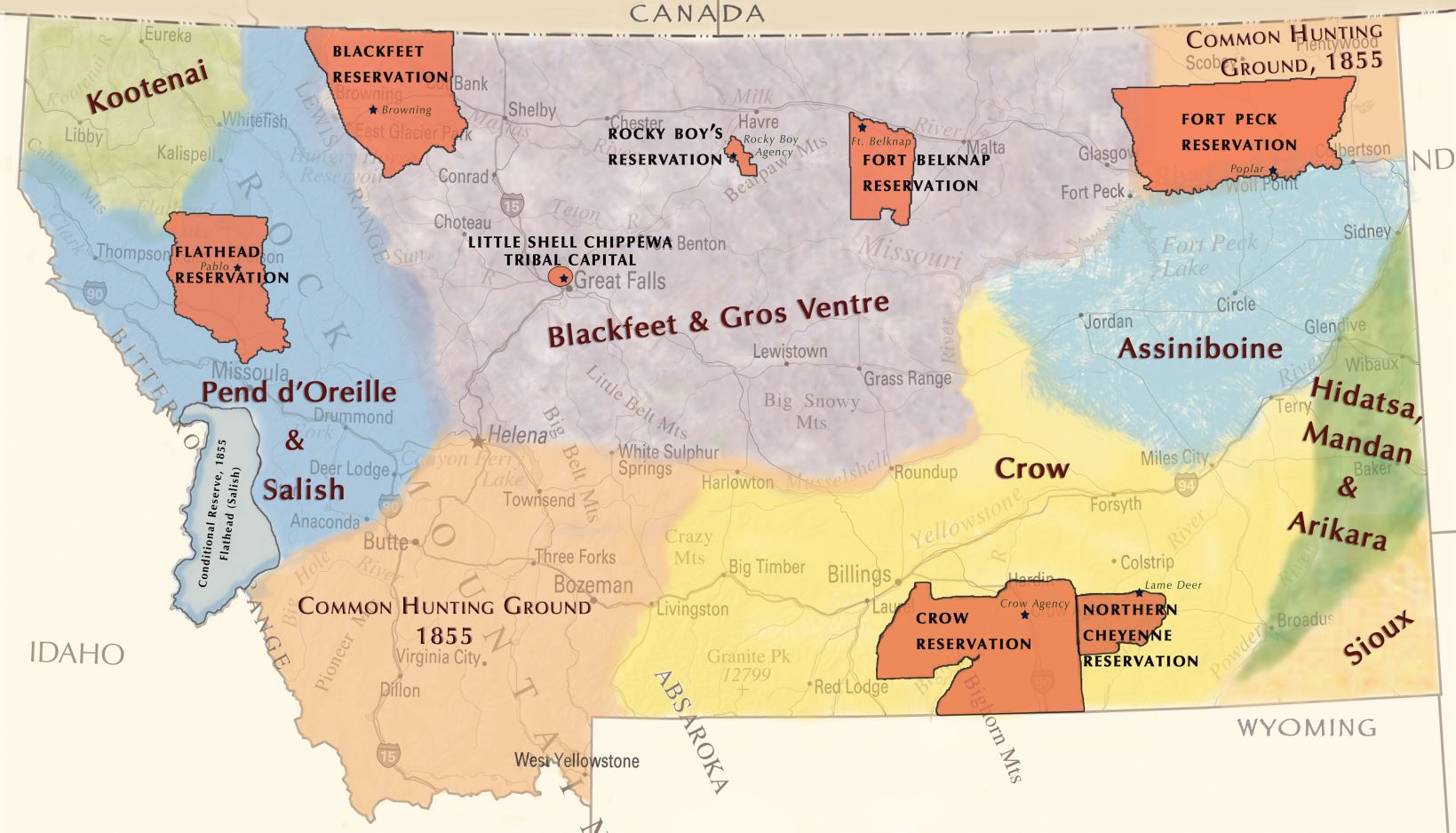
Today, eight federally recognized Tribal Nations that comprise 12 different tribes exist in Montana: The Blackfeet Tribe, the Chippewa-Cree Tribes, the Confederated Salish & Kootenai Tribes, the Crow Tribe, the Fort Belknap Tribes, the Fort Peck Tribes, the Little Shell Chippewa Tribe, and the Northern Cheyenne Tribe.
These are not the only indigenous peoples to have inhabited the Montana region and we also acknowledge tribes such as the Bannock, Nez Perce, Northern Arapaho, Mandan, Hidatsa, Arikara and Shoshone.
Featured Publications
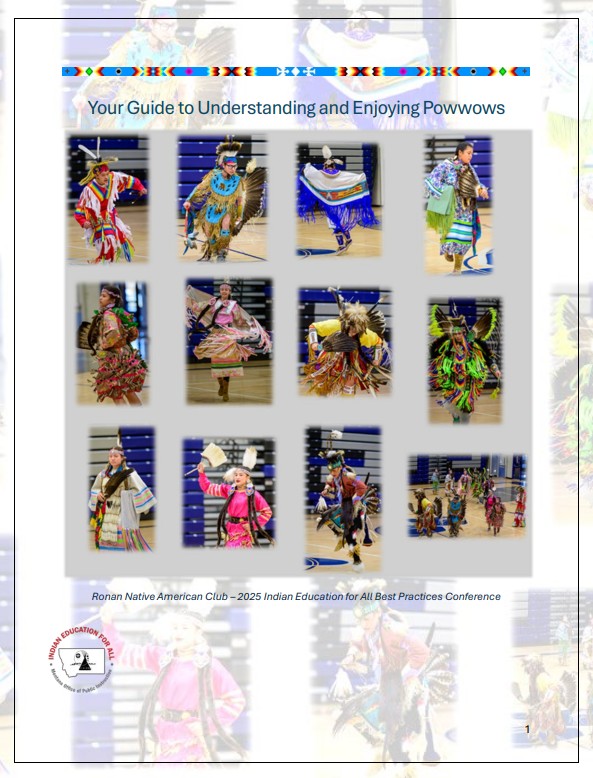
Your Guide to Understanding and Enjoying Powwows. This guide is designed as a resource to help you appreciate the history, events, and traditions of a powwow. While the specific customs, rules, and traditions can differ from one celebration to another, this booklet provides a basic overview to enhance your experience.
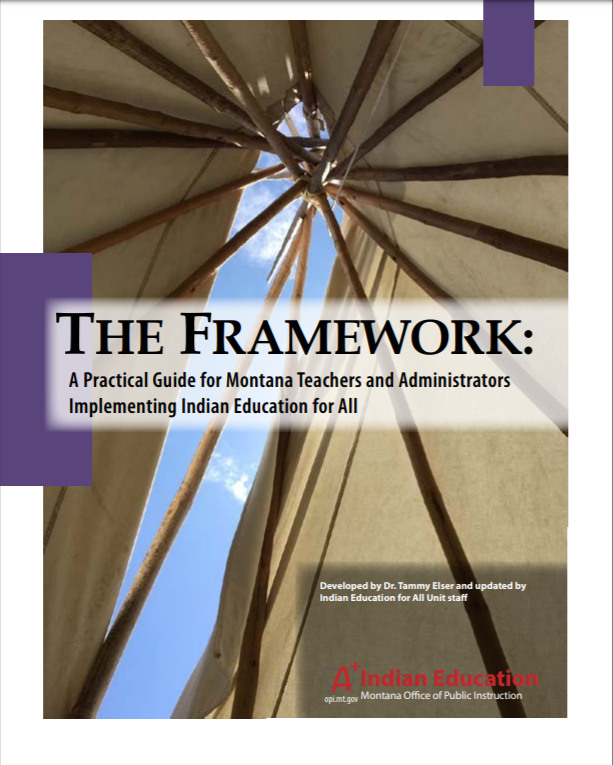
Designed to provide schools with a roadmap for IEFA Integration. Key topics include dimensions of multicultural education, school specific needs and approaches, and components of IEFA.
Provide the structural foundation for IEFA Integration in Montana. They were developed through consultation with Tribal members and the Montana Advisory Council on Indian Education. The revised 2019 edition is the third version of this document.
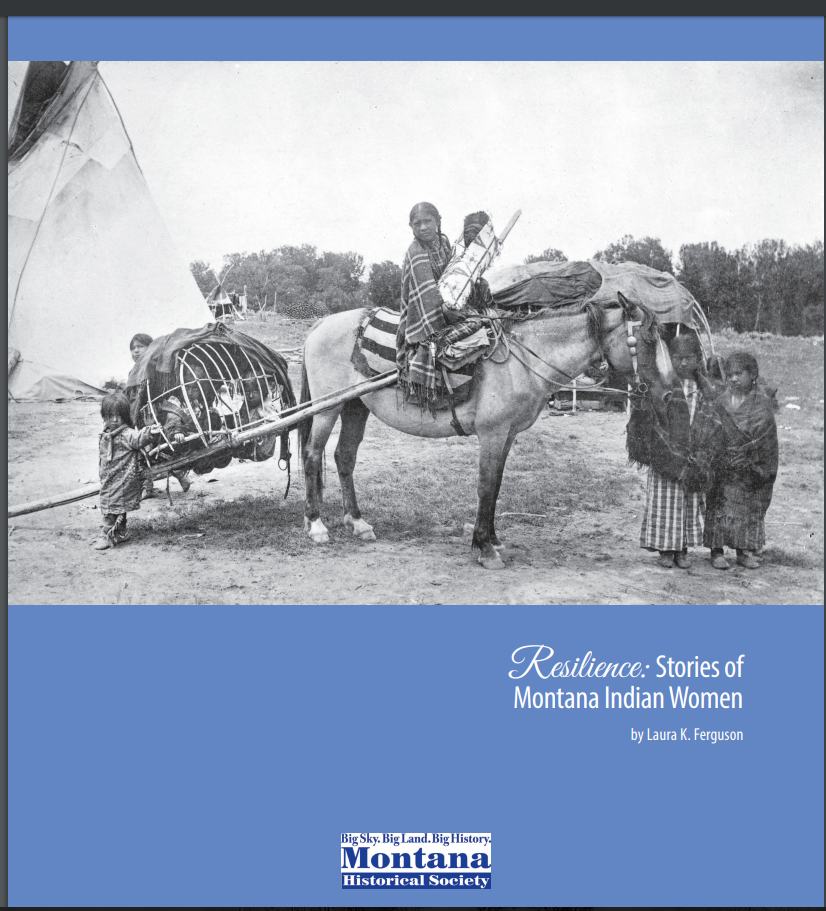
A compilation stories about Native American women across Montana history. The stories reflect their personal and cultural resiliency, highlight the diversity among Montana’s Indian Tribes, and provide a window into the impact of Federal Indian Policies and American political movements on Montana Indians. Their stories also show students that ordinary people can do extraordinary things.
The purpose of this document is to help teachers, librarians, and curriculum directors evaluate classroom materials for stereotypes, inaccuracies, omissions, and biases about American Indians that are so prevalent in American literature, films, and educational materials, so educators can make informed decisions when selecting instructional materials.
This curriculum guide is for eighth through twelfth grade teachers and their students studying U.S. History. Recently, there has been DNA analysis of the ancient skeletal remains of a child buried near Wilsall, Montana. The investigation of the child’s DNA revealed surprising new information about the First Peoples in America and their relationship with modern American Indians.
General Information
Montana Tribal History Resources
- American Indians 101 – Frequently Asked Questions
- History and Foundation of American Indian Education
- Montana Indian Law website
- Montana Indians: Their History and Location
- Montana Tribal Histories: Educators Resource Guide
- The Power of Place: Place‑Based Approaches to Researching Indigenous Montana Histories
- Map of Tribal Territories in Montana
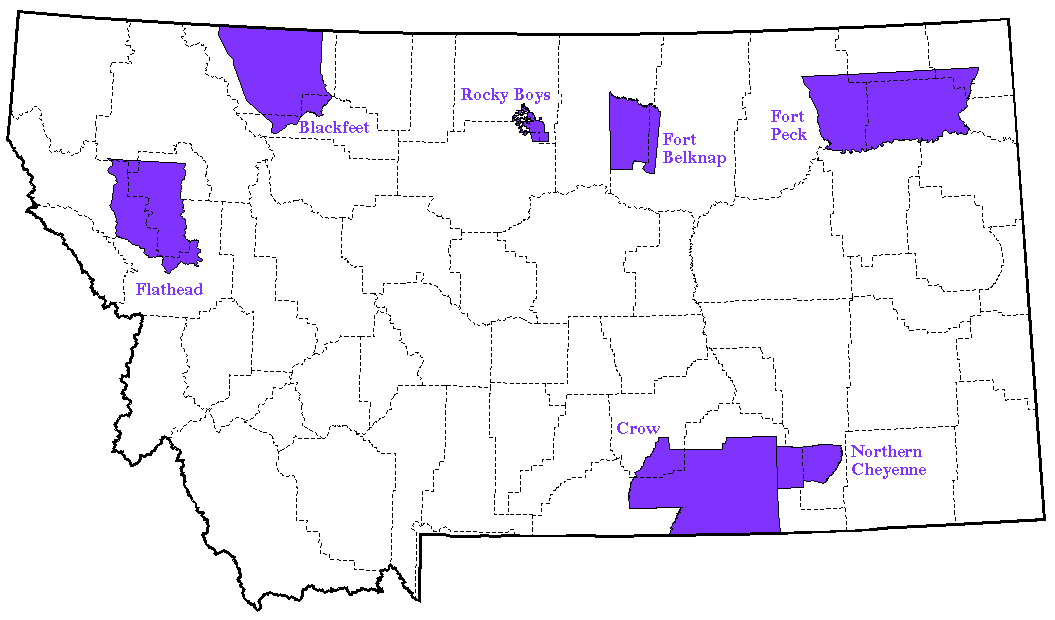
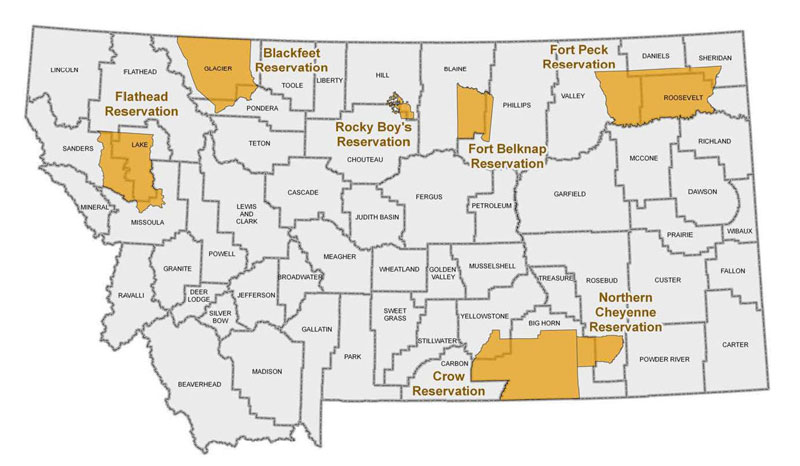
- Map of Montana with Reservations
- Map of Montana with Reservations (unlabeled)
- Montana Tribes Digital Archives website
- Tribal Flags descriptions
Timelines for Montana Reservations
- All
- Blackfeet
- Crow
- Flathead
- Fort Belknap
- Fort Peck
- Little Shell study guide and timeline
- Northern Cheyenne
- Rocky Boy’s
Maps
Tribal Education Directories
Montana Tribal Colleges
- Blackfeet Reservation: Blackfeet Community College
- Crow Reservation: Little Big Horn College
- Flathead Reservation: Salish Kootenai College
- Fort Belknap: Aaniiih Nakoda College
- Fort Peck: Fort Peck Community College
- Northern Cheyenne: Chief Dull Knife College
- Rocky Boy’s Reservation: Stone Child College
Montana
- Humanities Montana – Speakers in Schools
- Montana Historical Society – Indian Education for All resources
- Montana Historical Society – Montana: A History of Our Home
- Montana Historical Society – Montana: Stories of the Land
- Montana Tribes website
- Montana tourism guide to exploring Indian Country
National
- Becoming Visible – A Landscape Analysis of State Efforts to Provide Native American Education for All
- Buffalo Bill Center of the West – IEFA resources
- Indian Land Tenure Foundation
- Indianz.com website
- National Congress of American Indians
- National Indian Education Association
- National Museum of the American Indian
- Native American Hall of Fame curriculum (grades 8–12)
- Native American Heritage resources from the Library of Congress
- Smithsonian Arctic Studies Center in Alaska
Other States
- Alaska Native Knowledge Network
- California Indian Education for All
- California – Save California Salmon curricula
- Colorado Department of Education – Ute History curriculum
- Hawaii State Department of Education – Hawaiian Education
- Idaho State Department of Education – Indian Education
- Minnesota – Indigenous Education for All
- Minnesota – Understand Native Minnesota
- Nevada Department of Education – Indian Education
- New Mexico Indigenous Cultural Scope 2.0
- New Mexico Public Education Department – Indian Education
- North Dakota Department of Public Instruction – Indian Education
- Oklahoma Department of Education – Indian Education
- Oregon Department of Education – Indian Education
- South Dakota Department of Education – Office of Indian Education
- South Dakota Public Broadcasting – Winter Count
- Washington Office of Indian Education – Since Time Immemorial
- Wisconsin Department of Public Instruction – American Indian Studies
- Wyoming Department of Education – Native American Education
Background, Laws, and Policy
- Indian Education for All Legislative Update and Funding Guidance (2025 session)
- Important Dates in Indian Education in Montana
- The Indian Studies Law: An Exercise in Futility?
- Montana Governor’s Office of Indian Affairs
- Montana Indian Law website
General Classroom Resources
- Building Bridges, Building Friendships
- Classroom Sets of Books for Borrowing
- Curriculum Mapping Model for IEFA
- Directory of Indian Education Programs in Montana
- Getting Started in IEFA: Commonly Used Lessons and Resources
- Indigenous History Games for Borrowing
- Planning guides
- The Power of Place
- State Parks – IEFA Teacher’s Guide
- State Parks Model Lesson Units
- Using Primary Source Documents to Understand Tribal Sovereignty
- Your Guide to Understanding and Enjoying Pow Wows (updated 2025)
IEFA Foundational Documents
- Essential Understandings Regarding Montana Indians
- Evaluating American Indian Materials and Resources for the Classroom
- Indian Education for All Payment – Reporting Guide (2023)
- IEFA Finance Reporting Update FAQ (2023)
- The Framework: A Practical Guide for Montana Teachers and Administrators Implementing Indian Education for All
- Funding Spectrum Guide – Indian Education for All
- History and Foundation of American Indian Education
- Montana Indian Education for All Evaluation
Your School Resources
An Introduction to Indian Education for All in Montana
This Hub course provides a basic foundation for implementing Indian Education for All (IEFA) in your classroom. IEFA offers students an opportunity to meet academic standards in multiple content areas and grade levels as they learn about the distinct and unique cultures and heritages of American Indians.
Created by Mike Jetty, OPI Indian Education Specialist. Sign up for the course
In Action
Current Events
Share a Lesson
The OPI Indian Education for All (IEFA) team welcomes lesson plan submissions that showcase the great ideas and work being done across Montana and support others in their implementation efforts. In order to ensure that all lessons meet permissions and accessibility requirements and are formatted consistently, we have developed a guidance document outlining submission requirements . Please review this carefully and make any necessary modifications and/or collect permissions before submitting lessons. Lessons can be submitted to Mike Jetty at mjetty@mt.gov.
Lessons / School IEFA Websites
- Arlee Joint School District – Indian Education for All literature units
- Montana Tribal Language Greetings (PDF) – resource from Great Falls Public Schools: Indigenous Education for All
- Montana’s Bull Trout: Pathways to Restoration (PDF) – Montana State University Billings College of Education
- Native American Poets of Montana (PDF) – Montana State University Billings College of Education
- K–12 teacher-created lessons – teachers from Billings Public Schools designed K–12 lessons in a variety of content areas, including tasks, slideshows, extensions, and videos. All lessons include the corresponding Essential Understandings Regarding Montana Indians and Montana Content Standards.
- Frenchtown Public Schools – Indian Education for All – examples of teacher lesson plans, student work samples, and the IEFA curriculum review process.
- Missoula County Public Schools – Indian Education for All Resource Hub – links to lesson plans and other IEFA resources.